Skip to content
Renewable Carbon Publications - LogoRenewable Carbon Publications - Logo
  • Publications
  • Contact
1
  • Cellulose Fibres Conference 2023 (Proceedings, PDF) [Digital]Cellulose Fibres Conference 2023 (Proceedings, PDF) [Digital] 1 × 50 €
    Plus 19% MwSt.

Subtotal: 50 €

CartCheckout

  • Renewable Carbon
    • Renewable Carbon
    • Events
    • Publications
    • Graphics
    • News
    • Business Directory
    • Newsletter
    • nova-Institute
  • Publications
  • Contact

Renewable Carbon Publications - LogoRenewable Carbon Publications - Logo
1
  • Cellulose Fibres Conference 2023 (Proceedings, PDF) [Digital]Cellulose Fibres Conference 2023 (Proceedings, PDF) [Digital] 1 × 50 €
    Plus 19% MwSt.

Subtotal: 50 €

CartCheckout

  • Renewable Carbon Publications
  • Markets & Economy
  • Page 8
Grid view List view
“Cellulose Fibres Conference 2023 (Proceedings, PDF)” has been added to your cart. View cart

Showing 141–160 of 412

  • Download Statistics
  • Direct Download
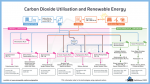
    23 03 30 carbon dioxide utilisation and renewable energy shop

    Carbon Dioxide Utilisation and Renewable Energy − Graphic (PNG)

    Markets & Economy, Technology

    1 Page
    1523 Downloads

    1523 Downloads  

    2023-04

    FREE


    1523
    Downloads

    Direct Download
  • Direct Download
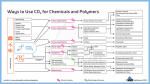
    23 03 31 ways to use co₂ for chemicals and polymers shop

    Ways to Use CO₂ for Chemicals and Polymers – Graphic (PNG)

    Markets & Economy, Technology

    1 Page
    1091 Downloads

    1091 Downloads  

    2023-04

    FREE

    Plus 19% MwSt.
     

    1091
    Downloads

    Direct Download
  • Add to
    cart
    Cellulose Fibres Conference 2023 (Proceedings, PDF) [Digital]

    Cellulose Fibres Conference 2023 (Proceedings, PDF)

    Markets & Economy, Policy, Sustainability & Health, Technology


    2023-03

    50 € ex. tax

    Plus 19% MwSt.
    Press
    release
    Add to
    cart

    The unique conference focused on cellulose fibres – in textiles, hygiene products and packaging!

    The Cellulose Fibres 2023 Conference Proceedings (https://cellulose-fibres.eu, 8-9 March 2023, Cologne, hybrid) include all released conference presentations, the conference journal, sponsor documents, a Fiber2Fashion Knowledgepaper and the conference press release.

  • Add to
    cart
    nova-Session: “Bio- and CO₂-based Polymers: Production, Trends 2022-2027 and the latest Policy Developments” (Proceedings, PDF) [Digital]

    nova-Session: “Bio- and CO₂-based Polymers: Production, Trends 2022-2027 and the latest Policy Developments” (Proceedings, PDF)

    Markets & Economy, Policy, Sustainability & Health, Technology


    2023-03

    50 € ex. tax

    Plus 19% MwSt.
     
    Add to
    cart

    The download of the proceedings contains all six presentations of the nova-Session (March 2023).

    Bio-based and CO2-based Solutions – Where are we heading?

    The only way for chemicals and plastics to become sustainable, climate-friendly and part of the circular economy is the complete substitution of fossil carbon with renewable carbon from alternative sources: biomass, CO2 and recycling. We see strong investment in all three sectors, with growth rates far exceeding that of fossil polymers – i.e. fossil polymers are being substituted in the market.

    The session will focus on developments in bio- and CO2-based polymers and building blocks: Bio-based polymers are estimated to grow at a CAGR of 14 % from 2022 to 2027. Some examples: Bio-based epoxy resin production is on the rise, PTT regained attractiveness after several years of constant capacities and PE and PP made from bio based naphtha are being further established with growing volumes. Increased capacities for PLA are ongoing, after being sold out in 2019. Current and future expansions for bio based polyamides as well as PHAs are on the horizon. And also, bio-based PET is getting back in the game.

    Additionally, the use of CO2 as chemical feedstock for building blocks and polymers has been intensively diversified. Several successfully implemented technologies used at commercial level are in place and many more at the laboratory and pilot phase. Besides the long-established use of CO2 for the synthesis of polycarbonates, also polyurethanes are based on it. The most notable biotechnological conversion pathway of a syngas produces ethanol at commercial scale. Additionally, high interest is also observed in CO2-based methanol and in CO2-based hydrocarbons, which can be used for fuel, chemical and polymers applications. A current total production capacity of these CO2-based products of ca. 1.3 Mt/a in 2022 is observed and a strong increase in capacity is expected by 2027.

    The EU policy landscape has seen significant updates in the final weeks of 2022 with the proposed Packaging and Packaging Waste Regulation and the publication of the Policy Framework on bio-based, biodegradable and compostable plastics. How these updates may affect CO2 and bio-based polymers will be addressed in the session.

  • Select
    licence
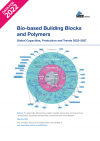
    Cover - Bio-based Building Blocks and Polymers - Global Capacities, Production and Trends 2022-2027

    Bio-based Building Blocks and Polymers – Global Capacities, Production and Trends 2022-2027 (PDF)

    Markets & Economy

    387 Pages


    2023-02

    500 € – 1,000 €Price range: 500 € through 1,000 € ex. tax

    Plus 19% MwSt.
    Press
    release
    Select
    licence

    Report on the global bio-based polymer market 2022 – A deep and comprehensive insight into this dynamically growing market

    The year 2022 was a promising year for bio-based polymers: Bio-based epoxy resin production is on the rise, PTT regained attractiveness after several years of constant capacities and PE and PP made from bio-based naphtha are being further established with growing volumes. Increased capacities for PLA are ongoing, after being sold out in 2019. Current and future expansions for bio-based polyamides as well as PHAs are on the horizon. And also, bio-based PET is getting back in the game.


    DOI No.: https://doi.org/10.52548/CMZD8323

  • Direct Download
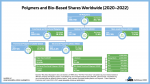
    23 01 26 polymers and bio based shares worldwide 2020 2022

    Polymers and Bio-Based Shares – Worldwide 2020-2022 (PNG)

    Markets & Economy

    1 Page
    384 Downloads

    384 Downloads  

    2023-02

    FREE


    384
    Downloads

    Direct Download

    Report on the global bio-based polymer market 2022 – A deep and comprehensive insight into this dynamically growing market

    The year 2022 was a promising year for bio-based polymers: Bio-based epoxy resin production is on the rise, PTT regained attractiveness after several years of constant capacities and PE and PP made from bio-based naphtha are being further established with growing volumes. Increased capacities for PLA are ongoing, after being sold out in 2019. Current and future expansions for bio-based polyamides as well as PHAs are on the horizon. And also, bio-based PET is getting back in the game.


    DOI No.: https://doi.org/10.52548/CMZD8323

  • Direct Download
    23 02 07 bio based building blocks and polymers 2022 2027 cover shop

    Bio-based Building Blocks and Polymers – Global Capacities, Production and Trends 2022-2027 – Short Version (PDF)

    Markets & Economy

    28 Pages
    1957 Downloads

    1957 Downloads  

    2023-02

    FREE


    1957
    Downloads

    Direct Download

    Report on the global bio-based polymer market 2022 – A deep and comprehensive insight into this dynamically growing market

    The year 2022 was a promising year for bio-based polymers: Bio-based epoxy resin production is on the rise, PTT regained attractiveness after several years of constant capacities and PE and PP made from bio-based naphtha are being further established with growing volumes. Increased capacities for PLA are ongoing, after being sold out in 2019. Current and future expansions for bio-based polyamides as well as PHAs are on the horizon. And also, bio-based PET is getting back in the game.


    DOI No.: https://doi.org/10.52548/CMZD8323

  • Direct Download
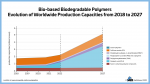
    23 01 13 bio based biodegradable polymers – evolution of worldwide production capacities 2018 to 2027

    Bio-based biodegradable polymers – Evolution of worldwide production capacities 2018 to 2027 (PNG)

    Markets & Economy

    1 Page
    516 Downloads

    516 Downloads  

    2023-02

    FREE


    516
    Downloads

    Direct Download

    Report on the global bio-based polymer market 2022 – A deep and comprehensive insight into this dynamically growing market

    The year 2022 was a promising year for bio-based polymers: Bio-based epoxy resin production is on the rise, PTT regained attractiveness after several years of constant capacities and PE and PP made from bio-based naphtha are being further established with growing volumes. Increased capacities for PLA are ongoing, after being sold out in 2019. Current and future expansions for bio-based polyamides as well as PHAs are on the horizon. And also, bio-based PET is getting back in the game.


    DOI No.: https://doi.org/10.52548/CMZD8323

  • Direct Download
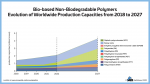
    23 01 13 bio based non biod. polymers – evolution worldwide production capacities 2018 27 kopie

    Bio-based non-biod. polymers – Evolution worldwide production capacities 2018-27 (PNG)

    Markets & Economy

    1 Page
    211 Downloads

    211 Downloads  

    2023-02

    FREE


    211
    Downloads

    Direct Download

    Report on the global bio-based polymer market 2022 – A deep and comprehensive insight into this dynamically growing market

    The year 2022 was a promising year for bio-based polymers: Bio-based epoxy resin production is on the rise, PTT regained attractiveness after several years of constant capacities and PE and PP made from bio-based naphtha are being further established with growing volumes. Increased capacities for PLA are ongoing, after being sold out in 2019. Current and future expansions for bio-based polyamides as well as PHAs are on the horizon. And also, bio-based PET is getting back in the game.


    DOI No.: https://doi.org/10.52548/CMZD8323

  • Direct Download
    23 01 13 bio based polymers – evolution of worldwide production capacities from 2018 to 2027

    Bio-based polymers – Evolution of worldwide production capacities from 2018 to 2027 (PNG)

    Markets & Economy

    1 Page
    516 Downloads

    516 Downloads  

    2023-02

    FREE


    516
    Downloads

    Direct Download

    Report on the global bio-based polymer market 2022 – A deep and comprehensive insight into this dynamically growing market

    The year 2022 was a promising year for bio-based polymers: Bio-based epoxy resin production is on the rise, PTT regained attractiveness after several years of constant capacities and PE and PP made from bio-based naphtha are being further established with growing volumes. Increased capacities for PLA are ongoing, after being sold out in 2019. Current and future expansions for bio-based polyamides as well as PHAs are on the horizon. And also, bio-based PET is getting back in the game.


    DOI No.: https://doi.org/10.52548/CMZD8323

  • Direct Download
    23 03 14 biomass utilisation worldwide – first and second generation tn

    Biomass Utilisation Worldwide (PNG)

    Markets & Economy

    1 Page
    387 Downloads

    387 Downloads  

    2023-02

    FREE


    387
    Downloads

    Direct Download

    Report on the global bio-based polymer market 2022 – A deep and comprehensive insight into this dynamically growing market

    The year 2022 was a promising year for bio-based polymers: Bio-based epoxy resin production is on the rise, PTT regained attractiveness after several years of constant capacities and PE and PP made from bio-based naphtha are being further established with growing volumes. Increased capacities for PLA are ongoing, after being sold out in 2019. Current and future expansions for bio-based polyamides as well as PHAs are on the horizon. And also, bio-based PET is getting back in the game.


    DOI No.: https://doi.org/10.52548/CMZD8323

  • Direct Download
    23 01 13 global production capacities of bio based polymers per region 2022

    Global Production Capacities of Bio-based Polymers per region 2022 (PNG)

    Markets & Economy

    1 Page
    275 Downloads

    275 Downloads  

    2023-02

    FREE


    275
    Downloads

    Direct Download

    Report on the global bio-based polymer market 2022 – A deep and comprehensive insight into this dynamically growing market

    The year 2022 was a promising year for bio-based polymers: Bio-based epoxy resin production is on the rise, PTT regained attractiveness after several years of constant capacities and PE and PP made from bio-based naphtha are being further established with growing volumes. Increased capacities for PLA are ongoing, after being sold out in 2019. Current and future expansions for bio-based polyamides as well as PHAs are on the horizon. And also, bio-based PET is getting back in the game.


    DOI No.: https://doi.org/10.52548/CMZD8323

  • Direct Download
    23 01 13 pathways to bio based polymers

    Pathways to bio-based polymers (PNG)

    Markets & Economy

    1 Page
    555 Downloads

    555 Downloads  

    2023-02

    FREE


    555
    Downloads

    Direct Download

    Report on the global bio-based polymer market 2022 – A deep and comprehensive insight into this dynamically growing market

    The year 2022 was a promising year for bio-based polymers: Bio-based epoxy resin production is on the rise, PTT regained attractiveness after several years of constant capacities and PE and PP made from bio-based naphtha are being further established with growing volumes. Increased capacities for PLA are ongoing, after being sold out in 2019. Current and future expansions for bio-based polyamides as well as PHAs are on the horizon. And also, bio-based PET is getting back in the game.


    DOI No.: https://doi.org/10.52548/CMZD8323

  • Direct Download
    23 01 13 schematic differentiation of pathways of drop in

    Schematic Differentiation of Pathways of Drop-in (PNG)

    Markets & Economy

    1 Page
    189 Downloads

    189 Downloads  

    2023-02

    FREE


    189
    Downloads

    Direct Download

    Report on the global bio-based polymer market 2022 – A deep and comprehensive insight into this dynamically growing market

    The year 2022 was a promising year for bio-based polymers: Bio-based epoxy resin production is on the rise, PTT regained attractiveness after several years of constant capacities and PE and PP made from bio-based naphtha are being further established with growing volumes. Increased capacities for PLA are ongoing, after being sold out in 2019. Current and future expansions for bio-based polyamides as well as PHAs are on the horizon. And also, bio-based PET is getting back in the game.


    DOI No.: https://doi.org/10.52548/CMZD8323

  • Direct Download
    23 01 13 shares of the produced bio based polymers in different market sements in 2022

    Shares of the produced bio-based polymers in different market sements in 2022 (PNG)

    Markets & Economy

    1 Page
    312 Downloads

    312 Downloads  

    2023-02

    FREE


    312
    Downloads

    Direct Download

    Report on the global bio-based polymer market 2022 – A deep and comprehensive insight into this dynamically growing market

    The year 2022 was a promising year for bio-based polymers: Bio-based epoxy resin production is on the rise, PTT regained attractiveness after several years of constant capacities and PE and PP made from bio-based naphtha are being further established with growing volumes. Increased capacities for PLA are ongoing, after being sold out in 2019. Current and future expansions for bio-based polyamides as well as PHAs are on the horizon. And also, bio-based PET is getting back in the game.


    DOI No.: https://doi.org/10.52548/CMZD8323

  • Direct Download
    23 01 16 plastics production 1950–2021

    Plastics production 1950–2021 (PNG)

    Markets & Economy

    1 Page
    477 Downloads

    477 Downloads  

    2023-02

    FREE


    477
    Downloads

    Direct Download

    Report on the global bio-based polymer market 2022 – A deep and comprehensive insight into this dynamically growing market

    The year 2022 was a promising year for bio-based polymers: Bio-based epoxy resin production is on the rise, PTT regained attractiveness after several years of constant capacities and PE and PP made from bio-based naphtha are being further established with growing volumes. Increased capacities for PLA are ongoing, after being sold out in 2019. Current and future expansions for bio-based polyamides as well as PHAs are on the horizon. And also, bio-based PET is getting back in the game.


    DOI No.: https://doi.org/10.52548/CMZD8323

  • Direct Download
    22 11 28 rc publications cover proceedings arc

    Advanced Recycling Conference 2022 (Proceedings)

    Markets & Economy, Policy, Sustainability & Health, Technology


    124 Downloads

    124 Downloads  

    2022-11

    FREE

    Plus 19% MwSt.
     

    124
    Downloads

    Direct Download

    The proceedings of the Advanced Recycling Conference 2022 (14-15 November 2022, hybrid, https://advanced-recycling.eu) contain conference presentations, the conference journal, sponsor documents and the press release.

  • Direct Download
    22 10 04 european bioeconomy in figures 2008 2019 shop

    European Bioeconomy in Figures 2008–2019 (PDF)

    Markets & Economy

    32 Pages
    595 Downloads

    595 Downloads  

    2022-10

    FREE

    Free Shipping
     

    595
    Downloads

    Direct Download

    The new nova-Institute’s market report commissioned by the Bio-based Industries Consortium (BIC) shows macroeconomic effects of the European Bioeconomy in the period from 2008 to 2019. Using data from Eurostat and, where required, nova-Institute’s estimated bio-based shares, turnover and employment numbers of the bioeconomic sectors have been calculated. Even though the latest numbers no longer include the UK, the EU’s bioeconomy turnover remained stable, which has resulted in an increase of around 25% since 2008.

  • Direct Download
    22 09 27 turnover and employees of the bioeconomy 2019 960x540

    Overall turnover and employment of the bioeconomy and its bio-based industries in the EU-27 in 2019

    Markets & Economy

    1 Page
    126 Downloads

    126 Downloads  

    2022-10

    FREE


    126
    Downloads

    Direct Download

    The new nova-Institute’s market report commissioned by the Bio-based Industries Consortium (BIC) shows macroeconomic effects of the European Bioeconomy in the period from 2008 to 2019. Using data from Eurostat and, where required, nova-Institute’s estimated bio-based shares, turnover and employment numbers of the bioeconomic sectors have been calculated. Even though the latest numbers no longer include the UK, the EU’s bioeconomy turnover remained stable, which has resulted in an increase of around 25% since 2008.


    This graphic shows the overall turnover and employment of the bioeconomy and its bio-based industries in the EU-27 in 2019.

  • Direct Download
    biomass utilisation factor shop thumbnail

    nova-paper #16: The Biomass Utilisation Factor (BUF)

    Markets & Economy, Policy, Sustainability & Health

    62 Pages
    1455 Downloads

    1455 Downloads  

    2022-06

    FREE


    1455
    Downloads

    Direct Download

    The Biomass Utilisation Factor (BUF) is a new metric combining cascading use and production efficiency into one indicator to investigate the circularity of materials for the circular bioeconomy. Cascading use captures the repeated use of the original biomass, either for the same or a different purpose. Production efficiency looks at how much of the biomass input is actually transformed into useful products or materials.

    The BUF can serve not only as an indicator for the circular economy principle of keeping materials in use, but also act as an efficient tool for stakeholders and policy makers to identify options that maximize biomass utilisation and keep materials in use for longer. In light of recent political developments in Europe, the BUF can serve as a tool that provides additional insights for achieving sustainable carbon cycles or help to respect the cascading principle of biomass utilisation.

Renewable Carbon Types

Publications

Topics

  • 1
  • …
  • 6
  • 7
  • 8
  • 9
  • 10
  • …
  • 21

nova-Logo
contact@nova-institut.de
www.nova-institute.eu

nova-Institut GmbH
Leyboldstr. 16
50354 Hürth / Germany

  • Renewable Carbon
  • Events
  • Publications
  • Graphics
  • News
  • Business Directory
  • Newsletter
  • nova-Institute
  • My account
  • Legal Information
  • Terms and Conditions
  • Data protection regulation
© 2025 nova-Institut GmbH
Renewable Carbon Publications - Logo

Login

Lost your password?