Skip to content
Renewable Carbon Publications - LogoRenewable Carbon Publications - Logo
  • Publications
  • Contact
0

No products in the cart.

  • Renewable Carbon
    • Renewable Carbon
    • Events
    • Publications
    • Graphics
    • News
    • Business Directory
    • Newsletter
    • nova-Institute
  • Publications
  • Contact

Renewable Carbon Publications - LogoRenewable Carbon Publications - Logo
0

No products in the cart.

  • Renewable Carbon Publications
  • Markets & Economy
  • Page 12
Grid view List view

Showing 221–240 of 426

  • Download Statistics
  • Direct Download
    ki0521049enn.en shop preview

    Carbon economy – Studies on support to research and innovation policy in the area of bio-based products and services

    Markets & Economy, Policy, Sustainability & Health, Technology

    384 Pages
    654 Downloads

    654 Downloads  

    2021-02

    FREE

    Free Shipping
     

    654
    Downloads

    Direct Download

    Nova-Institute, together with COWI and Utrecht University published a report on the role of carbon in the global, European and regional economy for the Directorate-General for Research and Innovation (European Commission).

    The report herein contains five Work Packages (WPs) that embody the requirements set out in the European Commission’s “Studies on support to R&I policy in the area of bio-based products and services – Carbon Economy (Lot 1).” The main aim of the project was to map out the current pathways available for the transition towards a low carbon economy as well as the barriers that hinder this transition. Based on the conclusions and key findings from the WPs, the authors set the scene for the future of the bio-based sector with a particular focus on ten case studies of regions and cities across the EU (WP4), an evaluation of promising innovations and novel technologies for the realisation of such an economy and a sweeping regulatory analysis containing Q1 2020 updates (WP3) on EU directives and regulations that pertain to the low carbon economy. This attention to the local level as well as the broader policy sphere is supported by a scientific understanding of the low carbon economy (WP1), potential future scenarios towards 2050 (WP2) as well as clear dissemination of the findings across the entire study (WP5). In the frame of the study an animated educational video was produced. The final study report contains an executive summary followed by each Work Package in its entirety, which can also be treated as stand-alone reports in their own right.

    Further information at: https://op.europa.eu/en/publication-detail/-/publication/8c4de15d-a17d-11eb-b85c-01aa75ed71a1

  • Direct Download
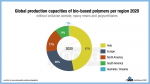
    21 01 28 figure9 global production capacities of bio based polymers per region 2020

    Bio-based Building Blocks and Polymers – Global Capacities, Production and Trends 2020 – 2025 – Graphics: Figure 9 (PNG)

    Markets & Economy


    332 Downloads

    332 Downloads  

    2021-01

    FREE

    Plus 19% MwSt.
     

    332
    Downloads

    Direct Download
  • Direct Download
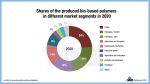
    21 01 28 figure10 shares of the produced bio based polymers in different market segments in 2020

    Bio-based Building Blocks and Polymers – Global Capacities, Production and Trends 2020 – 2025 – Graphics: Figure 10 (PNG)

    Markets & Economy


    371 Downloads

    371 Downloads  

    2021-01

    FREE

    Plus 19% MwSt.
     

    371
    Downloads

    Direct Download
  • Select
    licence
    Bio-based Building Blocks and Polymers – Global Capacities, Production and Trends 2020 – 2025 [Digital]

    Bio-based Building Blocks and Polymers – Global Capacities, Production and Trends 2020 – 2025

    Markets & Economy

    338 Pages


    2021-01

    100 € – 500 €Price range: 100 € through 500 € ex. tax

    Plus 19% MwSt.
    Press
    release
    Select
    licence

    Report on the global bio-based polymer market 2020 – A deep and comprehensive insight into this dynamic market

    The year 2020 was a promising year for bio-based polymers: Sold out PLA in 2019 has led to the installation of increased capacities, PE and PP made from bio-based naphtha are breaking ground and future expansion for bio-based polyamides as well as for PBAT, PHAs and casein polymers is on the horizon. A lower production is only observed for bio-based PET.

  • Direct Download
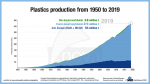
    21 01 28 figure1 plastics production from 1950 to 2019

    Bio-based Building Blocks and Polymers – Global Capacities, Production and Trends 2020 – 2025 – Graphics: Figure 1 (PNG)

    Markets & Economy


    511 Downloads

    511 Downloads  

    2021-01

    FREE

    Plus 19% MwSt.
     

    511
    Downloads

    Direct Download
  • Direct Download
    Bio-based Building Blocks and Polymers – Global Capacities, Production and Trends 2020 – 2025 - Short Version [Digital]

    Bio-based Building Blocks and Polymers – Global Capacities, Production and Trends 2020 – 2025 – Short Version

    Markets & Economy

    16 Pages
    2967 Downloads

    2967 Downloads  

    2021-01

    FREE

    Plus 19% MwSt.
     

    2967
    Downloads

    Direct Download

    Report on the global bio-based polymer market 2020 – A deep and comprehensive insight into this dynamic market

    The year 2020 was a promising year for bio-based polymers: Sold out PLA in 2019 has led to the installation of increased capacities, PE and PP made from bio-based naphtha are breaking ground and future expansion for bio-based polyamides as well as for PBAT, PHAs and casein polymers is on the horizon. A lower production is only observed for bio-based PET.

  • Direct Download
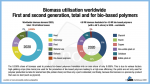
    21 01 28 figure2 biomass utilisation worldwide–first and second generation total and for bio based polymers

    Bio-based Building Blocks and Polymers – Global Capacities, Production and Trends 2020 – 2025 – Graphics: Figure 2 (PNG)

    Markets & Economy


    466 Downloads

    466 Downloads  

    2021-01

    FREE

    Plus 19% MwSt.
     

    466
    Downloads

    Direct Download
  • Select
    licence
    Carbon dioxide (CO2) as chemical feedstock for polymers – technologies, polymers, developers and producers [Digital]

    Carbon dioxide (CO2) as chemical feedstock for polymers – technologies, polymers, developers and producers

    Markets & Economy

    100 Pages


    2021-01

    500 € – 1,000 €Price range: 500 € through 1,000 € ex. tax

    Plus 19% MwSt.
    Press
    release
    Select
    licence

    Completely revised and extended third version of nova’s technology and trend report “Carbon Dioxide (CO2) as Chemical Feedstock for Polymers – Technologies, Polymers, Developers and Producers” available

    The nova report addresses the polymer industry, brands, technology scouts, investors, and policy makers. The report provides 100 pages of information around CO2 utilisation for chemical building blocks and polymers.

  • Direct Download
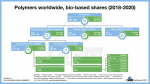
    21 01 28 figure3 polymers and bio based shares worldwide 2018–2020

    Bio-based Building Blocks and Polymers – Global Capacities, Production and Trends 2020 – 2025 – Graphics: Figure 3 (PNG)

    Markets & Economy


    493 Downloads

    493 Downloads  

    2021-01

    FREE

    Plus 19% MwSt.
     

    493
    Downloads

    Direct Download
  • Direct Download
    Carbon dioxide (CO2) as chemical feedstock for polymers – technologies, polymers, developers and producers − Short Version [Digital]

    Carbon dioxide (CO2) as chemical feedstock for polymers – technologies, polymers, developers and producers − Short Version

    Markets & Economy

    12 Pages
    2397 Downloads

    2397 Downloads  

    2021-01

    FREE

    Plus 19% MwSt.
     

    2397
    Downloads

    Direct Download

    Completely revised and extended third version of nova’s technology and trend report “Carbon Dioxide (CO2) as Chemical Feedstock for Polymers – Technologies, Polymers, Developers and Producers” available

    The nova report addresses the polymer industry, brands, technology scouts, investors, and policy makers. The report provides 100 pages of information around CO2 utilisation for chemical building blocks and polymers.

  • Direct Download
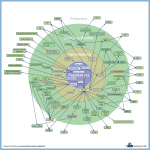
    21 01 28 figure4 pathways to bio based polymers

    Bio-based Building Blocks and Polymers – Global Capacities, Production and Trends 2020 – 2025 – Graphics: Figure 4 (PNG)

    Markets & Economy


    789 Downloads

    789 Downloads  

    2021-01

    FREE

    Plus 19% MwSt.
     

    789
    Downloads

    Direct Download
  • Direct Download
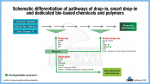
    21 01 28 figure5 schematic differentiation of pathways for drop in smart drop in and dedicated bio based chemicals and polymers

    Bio-based Building Blocks and Polymers – Global Capacities, Production and Trends 2020 – 2025 – Graphics: Figure 5 (PNG)

    Markets & Economy


    337 Downloads

    337 Downloads  

    2021-01

    FREE

    Plus 19% MwSt.
     

    337
    Downloads

    Direct Download
  • Direct Download
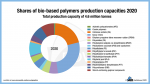
    21 01 28 figure6 shares of bio based polymer production capacities in 2020

    Bio-based Building Blocks and Polymers – Global Capacities, Production and Trends 2020 – 2025 – Graphics: Figure 6 (PNG)

    Markets & Economy


    493 Downloads

    493 Downloads  

    2021-01

    FREE

    Plus 19% MwSt.
     

    493
    Downloads

    Direct Download
  • Direct Download
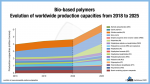
    21 01 28 figure7 bio based polymers–evolution of worldwide production capacities from 2018 to 2025

    Bio-based Building Blocks and Polymers – Global Capacities, Production and Trends 2020 – 2025 – Graphics: Figure 7 (PNG)

    Markets & Economy


    451 Downloads

    451 Downloads  

    2021-01

    FREE

    Plus 19% MwSt.
     

    451
    Downloads

    Direct Download
  • Direct Download
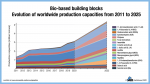
    21 01 28 figure8 bio based building blocks–evolution of worldwide production capacities from 2011 to 2025

    Bio-based Building Blocks and Polymers – Global Capacities, Production and Trends 2020 – 2025 – Graphics: Figure 8 (PNG)

    Markets & Economy


    382 Downloads

    382 Downloads  

    2021-01

    FREE

    Plus 19% MwSt.
     

    382
    Downloads

    Direct Download
  • Direct Download
    Production of Cannabinoids via Extraction, Chemical Synthesis and Especially Biotechnology - Preview [Digital]

    Production of Cannabinoids via Extraction, Chemical Synthesis and Especially Biotechnology – Preview

    Markets & Economy, Sustainability & Health

    8 Pages
    348 Downloads

    348 Downloads  

    2021-01

    FREE

    Plus 19% MwSt.
     

    348
    Downloads

    Direct Download

    Huge market potential for CBD and other cannabinoids – how best to produce them?

    Cannabis removed from the UN prohibition schedule and CBD not considered as a narcotic drug – Two major decisions to drive further research to explore the full potential of one of the major and longest established medicinal plants

    The new report “Production of Cannabinoids via Extraction, Chemical Synthesis and Especially Biotechnology – Current Technologies, Potential & Drawbacks and Future Development” provides all information on production technologies, medical applications and political framework conditions. The Report will guide you through the complex synthesis of cannabinoids, state-of-the-art methods for extraction and production and will extensively show the major hidden potential and synergistic effects of biotechnological cannabinoid production. The report is aimed at experts in the pharmaceutical and biotech industry and provides deep insights into (bio)chemical reactions, processes and producers. The main authors are biotechnology experts and physicians from the nova-Institute, Dr. Pia Skoczinski and Dr. med. Franjo Grotenhermen, and the chemist Dr. rer. nat. Bernhard Beitzke, who has been advising the “European Industrial Hemp Association” (EIHA) as an expert for years. The 142-page technology report provides in-depth information on established and emerging biotechnological approaches on the production of cannabinoids, as well as an overview on the state-of-the-art production methods using plant extraction and chemical synthesis. An extensive description of pharmacological effects, therapeutic potential and medicinal applications for ∆9-tetrahydrocannabinol (∆9-THC) and cannabidiol (CBD), together with a short excursus on the EU regulatory framework for cannabinoids, conclude this comprehensive study. Additionally, 59 companies active in cannabinoid production are listed, from which 20 specialised in biotechnological production and chemical synthesis are described in detail.

  • Direct Download
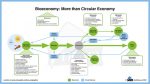
    "Bioeconomy: More than Circular Economy"

    “Bioeconomy: More than Circular Economy” − Graphic

    Markets & Economy, Policy, Sustainability & Health

    1 Page
    3145 Downloads

    3145 Downloads  

    2021-01

    FREE


    3145
    Downloads

    Direct Download
  • Select
    licence
    Cover - Production of Cannabinoids via Extraction, Chemical Synthesis and Especially Biotechnology

    Production of Cannabinoids via Extraction, Chemical Synthesis and Especially Biotechnology

    Markets & Economy, Sustainability & Health

    148 Pages


    2021-01

    2,000 € – 10,000 €Price range: 2,000 € through 10,000 € ex. tax

    Plus 19% MwSt.
    Press
    release
    Select
    licence

    Huge market potential for CBD and other cannabinoids – how best to produce them?

    Cannabis removed from the UN prohibition schedule and CBD not considered as a narcotic drug – Two major decisions to drive further research to explore the full potential of one of the major and longest established medicinal plants

    The new report “Production of Cannabinoids via Extraction, Chemical Synthesis and Especially Biotechnology – Current Technologies, Potential & Drawbacks and Future Development” provides all information on production technologies, medical applications and political framework conditions. The Report will guide you through the complex synthesis of cannabinoids, state-of-the-art methods for extraction and production and will extensively show the major hidden potential and synergistic effects of biotechnological cannabinoid production. The report is aimed at experts in the pharmaceutical and biotech industry and provides deep insights into (bio)chemical reactions, processes and producers. The main authors are biotechnology experts and physicians from the nova-Institute, Dr. Pia Skoczinski and Dr. med. Franjo Grotenhermen, and the chemist Dr. rer. nat. Bernhard Beitzke, who has been advising the “European Industrial Hemp Association” (EIHA) as an expert for years. The 142-page technology report provides in-depth information on established and emerging biotechnological approaches on the production of cannabinoids, as well as an overview on the state-of-the-art production methods using plant extraction and chemical synthesis. An extensive description of pharmacological effects, therapeutic potential and medicinal applications for ∆9-tetrahydrocannabinol (∆9-THC) and cannabidiol (CBD), together with a short excursus on the EU regulatory framework for cannabinoids, conclude this comprehensive study. Additionally, 59 companies active in cannabinoid production are listed, from which 20 specialised in biotechnological production and chemical synthesis are described in detail.

  • Direct Download
    nova-paper #13: Bio-based products: Green premium prices and consumer perception of different biomass feedstocks [Digital]

    nova-paper #13: Bio-based products: Green premium prices and consumer perception of different biomass feedstocks

    Markets & Economy

    30 Pages
    2082 Downloads

    2082 Downloads  

    2020-12

    FREE

    Plus 19% MwSt.
     

    2082
    Downloads

    Direct Download
  • Direct Download
    Renewable Materials Tree

    Renewable Materials Tree − Graphic (PDF)

    Markets & Economy


    326 Downloads

    326 Downloads  

    2020-12

    FREE


    326
    Downloads

    Direct Download

Renewable Carbon Types

Publications

Topics

  • 1
  • …
  • 10
  • 11
  • 12
  • 13
  • 14
  • …
  • 22

nova-Logo
contact@nova-institut.de
www.nova-institute.eu

nova-Institut GmbH
Leyboldstr. 16
50354 Hürth / Germany

  • Renewable Carbon
  • Events
  • Publications
  • Graphics
  • News
  • Business Directory
  • Newsletter
  • nova-Institute
  • My account
  • Legal Information
  • Terms and Conditions
  • Data protection regulation
© 2026 nova-Institut GmbH
Renewable Carbon Publications - Logo

Login

Lost your password?