Skip to content
Renewable Carbon Publications - LogoRenewable Carbon Publications - Logo
  • Publications
  • Contact
0

No products in the cart.

  • Renewable Carbon
    • Renewable Carbon
    • Events
    • Publications
    • Graphics
    • News
    • Business Directory
    • Newsletter
    • nova-Institute
  • Publications
  • Contact

Renewable Carbon Publications - LogoRenewable Carbon Publications - Logo
0

No products in the cart.

  • Renewable Carbon Publications
  • Renewable Carbon Types
  • Recycling
  • Page 5
Grid view List view

Showing 81–100 of 150

  • Download Statistics
  • Direct Download
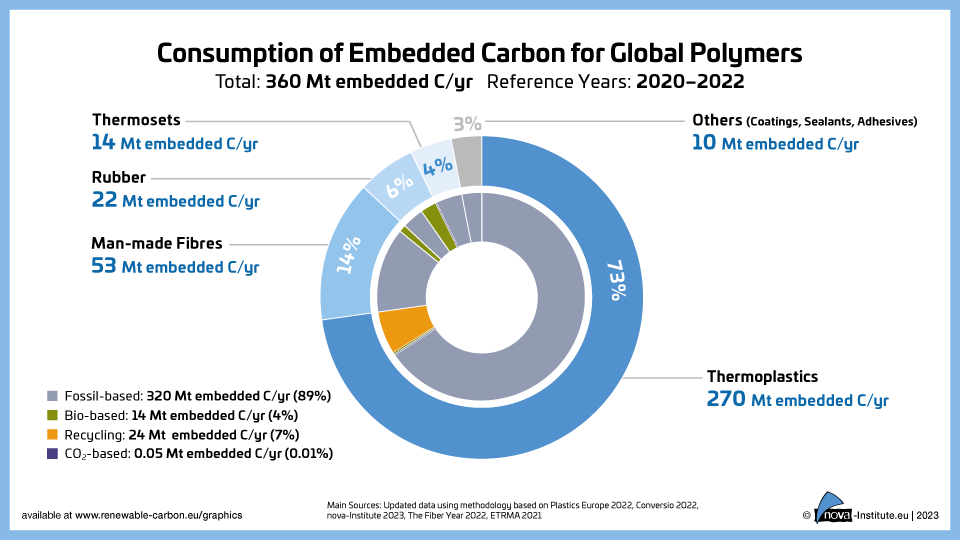
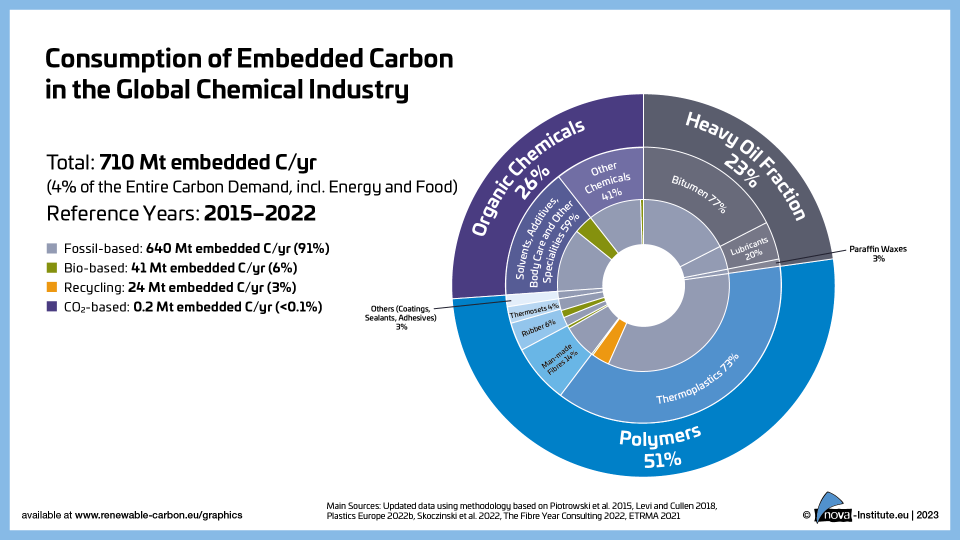
    consumption of embedded carbon for global polymers (png)

    Consumption of Embedded Carbon for Global Polymers (PNG)

    Markets & Economy, Policy

    1 Page
    130 Downloads

    130 Downloads  

    2023-07

    FREE

    Free Shipping
     

    130
    Downloads

    Direct Download

    Figure from the RCI Carbon Flows Report 2023

  • Direct Download
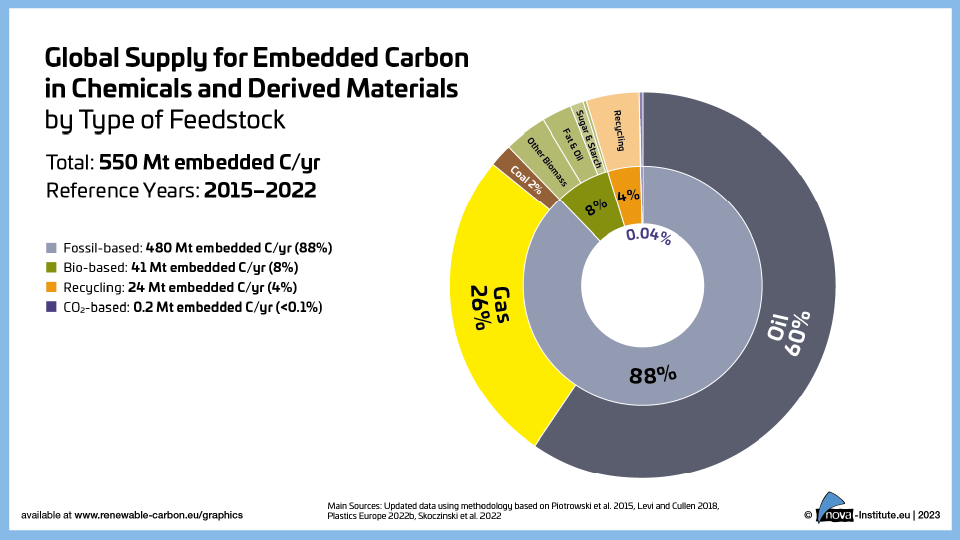
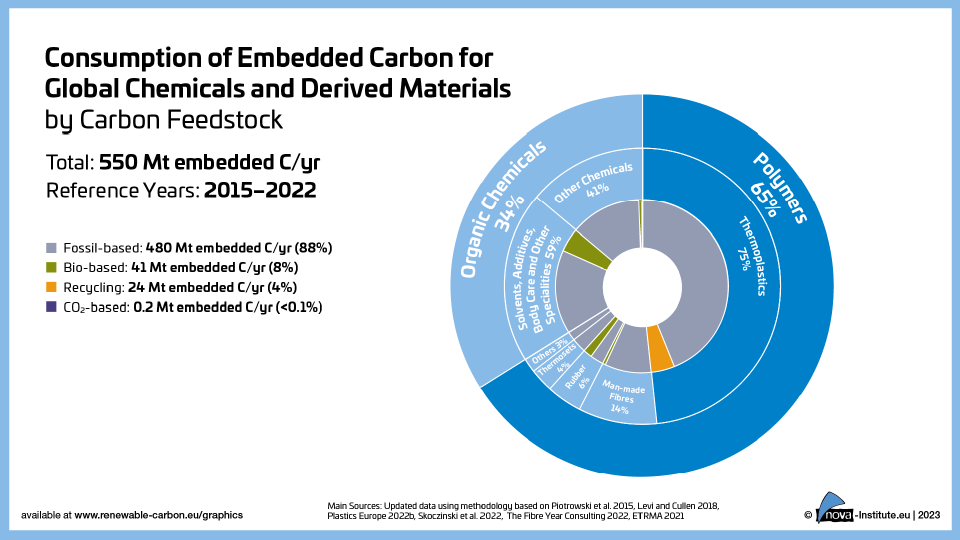
    consumption of embedded carbon for global chemicals and derived materials by carbon feedstock tn

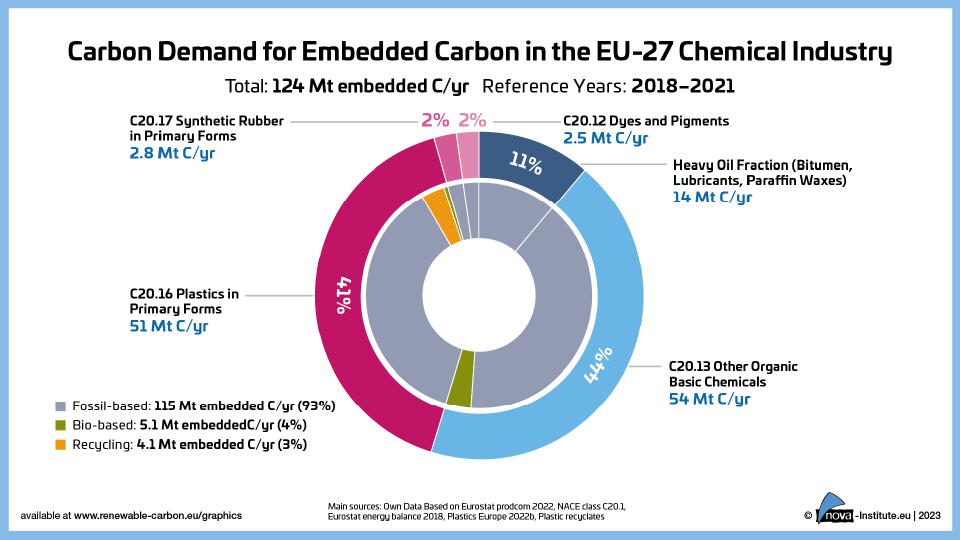
    Carbon Demand for Embedded Carbon in the EU-27 Chemical Industry (PNG)

    Markets & Economy, Policy

    1 Page
    148 Downloads

    148 Downloads  

    2023-07

    FREE

    Free Shipping
     

    148
    Downloads

    Direct Download

    Figure from the RCI Carbon Flows Report 2023

  • Direct Download
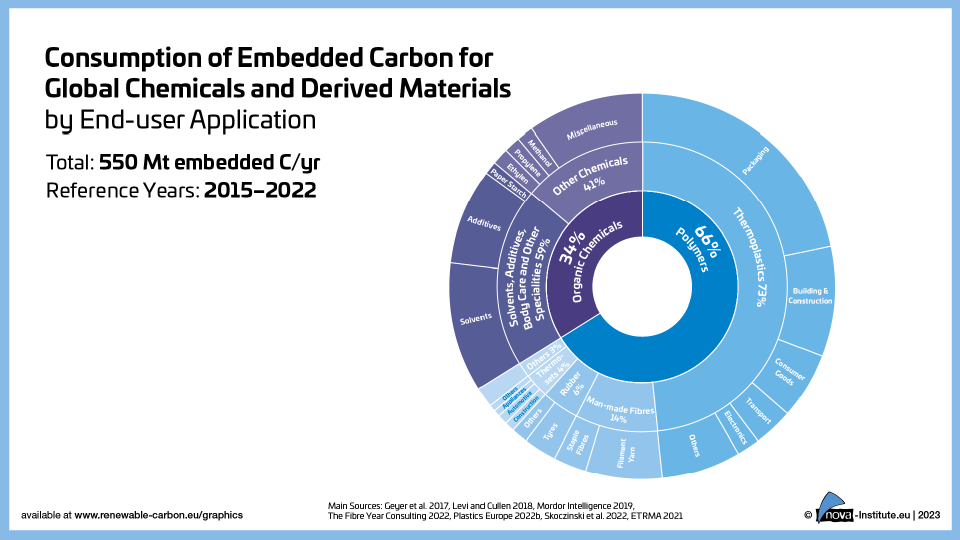
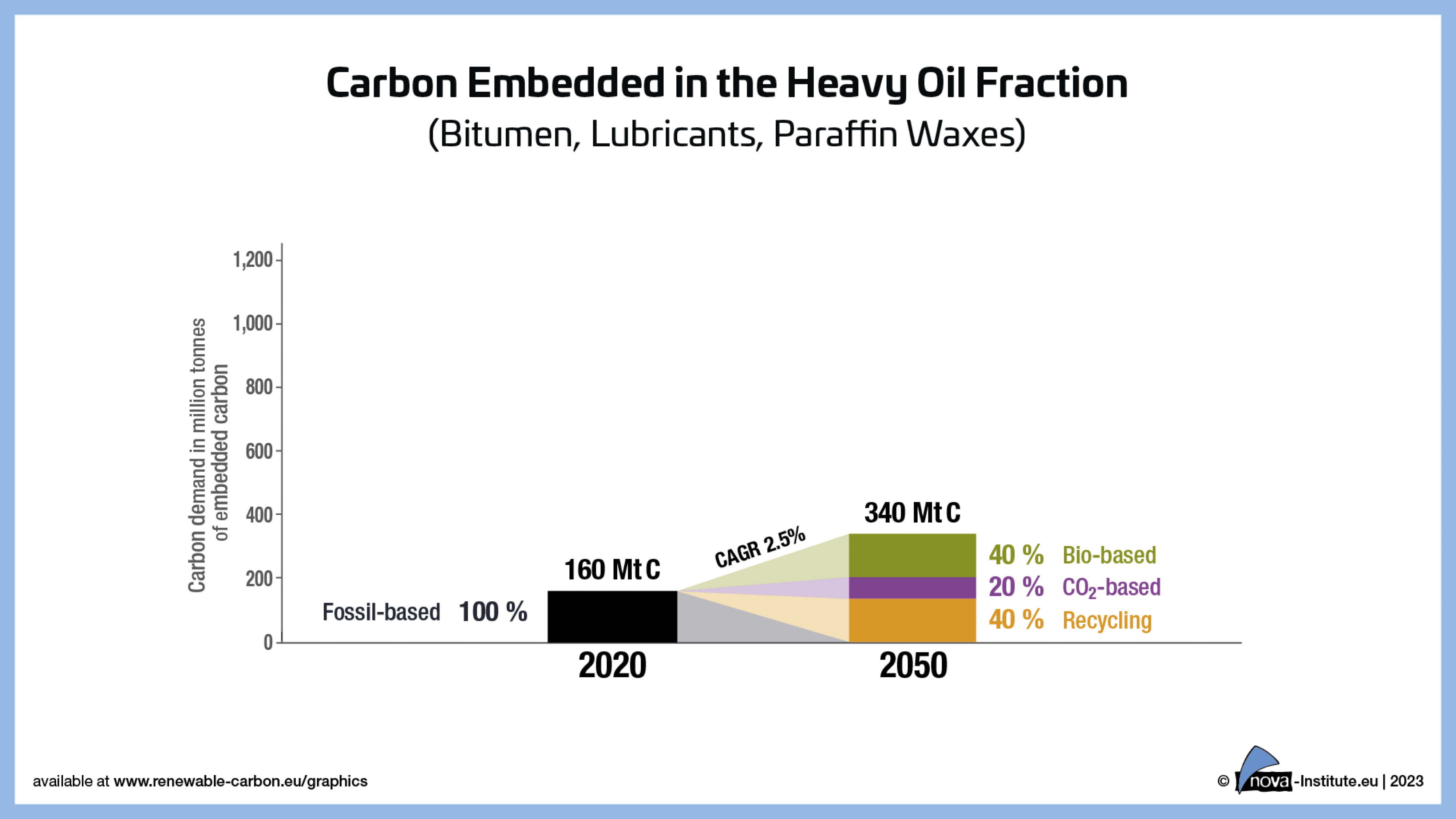
    23 06 21 fig 03 02 explorative scenario carbon embedded in the heavy oil fraction

    Explorative Scenario – Carbon Embedded in the Heavy Oil Fraction. (PNG)

    Markets & Economy, Policy

    1 Page
    55 Downloads

    55 Downloads  

    2023-07

    FREE

    Free Shipping
     

    55
    Downloads

    Direct Download

    Figure from the RCI Carbon Flows Report 2023

  • Direct Download
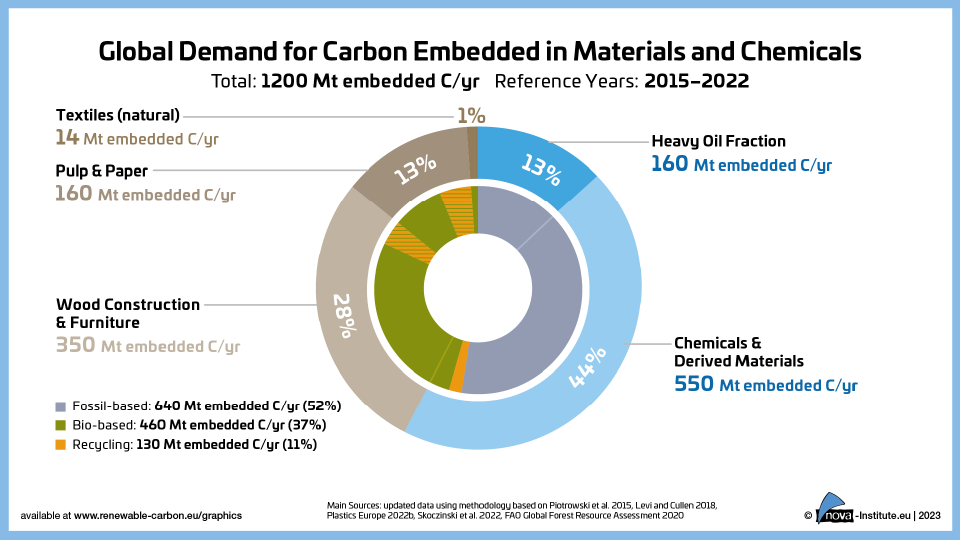
    global demand for carbon embedded in materials and chemicals tn

    Global Demand for Carbon Embedded in Materials and Chemicals (PNG)

    Markets & Economy, Policy

    1 Page
    261 Downloads

    261 Downloads  

    2023-07

    FREE

    Free Shipping
     

    261
    Downloads

    Direct Download

    Figure from the RCI Carbon Flows Report 2023

  • Direct Download
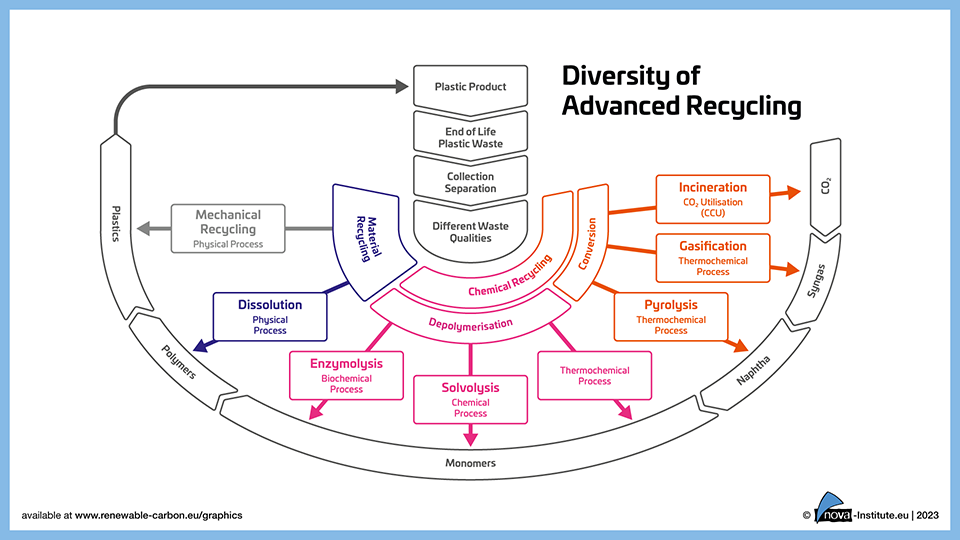
    23 07 21 diversity of advanced recycling thumbnail

    Diversity of Advanced Recycling (PNG)

    Technology

    1 Page
    1362 Downloads

    1362 Downloads  

    2023-07

    FREE

    Free Shipping
     

    1362
    Downloads

    Direct Download

    Full spectrum of available recycling technologies divided by their basic working principles and their products.

  • Direct Download
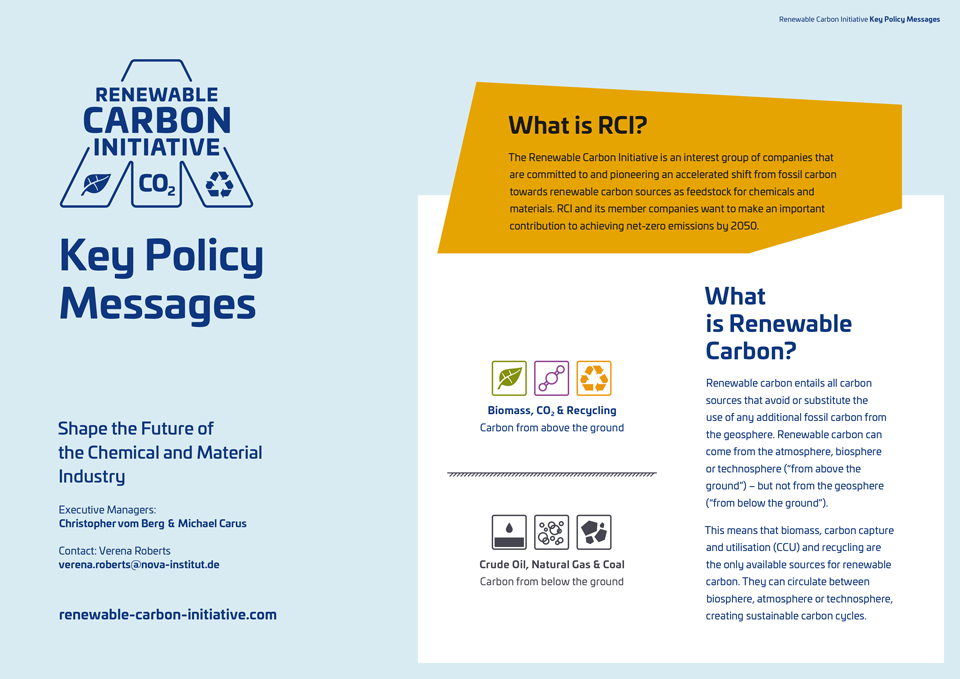
    RCI Policy Messages - Cover

    RCI Key Policy Messages (PDF)

    Policy

    3 Pages
    180 Downloads

    180 Downloads  

    2023-07

    FREE


    180
    Downloads

    Direct Download

    This short document contains seven key policy messages the RCI advocates for to shape the future of the chemical and material industry. These seven messages are:

    1. Renewable carbon and comprehensive carbon management need to become integral guiding principles of policies to achieve truly sustainable carbon cycles.
    2. Adopt a precise definition of “non-fossil, sustainable” carbon and then adopt a legally binding target for 20% sustainable, non-virgin-fossil carbon content
    3. Suitable measures to support the 20% goal would be
      1. material- and product focused policies that promote all three renewable carbon sources,
      2. CCU receiving at least the same support as CCS and
      3. recognition and promotion of chemical recycling technologies
    4. Support the transformation of existing chemical infrastructure from fossil to renewable carbon and support the transformation of biofuels plants into chemical suppliers
    5. Support the massive expansion of renewable energies
    6. Develop standards, certificates and labels for renewable carbon
    7. Phase out financial support, tax advantages and tax exemptions for fossil feedstocks
  • Direct Download
    Renewable Materials Conference 2023 Proceedings [Digital]

    Renewable Materials Conference 2023 Proceedings

    Markets & Economy, Policy, Sustainability & Health, Technology


    228 Downloads

    228 Downloads  

    2023-06

    FREE

    Plus 19% MwSt.
     

    228
    Downloads

    Direct Download

    The proceedings of the Renewable Materials Conference  2023 (23-25 May 2023, https://renewable-materials.eu) contain all released presentations of three conference days, the conference journal, and the press release of the three winners of the Innovation Award “Renewable Material of the Year 2023“.

  • Direct Download
    23 05 08 rci position ppwr thumbnail

    RCI’s position paper: “Commission proposal for a Packaging and Packaging Waste Regulation” (May 2023)

    Policy

    3 Pages
    295 Downloads

    295 Downloads  

    2023-05

    FREE


    295
    Downloads

    Direct Download

    This position paper highlights chances for the EU to lead the way to a sustainable packaging industry and to promote innovation

    In November 2022, the Commission adopted the Proposal for a Regulation of the European Parliament and of the Council on packaging and packaging waste, amending Regulation (EU) 2019/1020 and Directive (EU) 2019/904, and repealing Directive 94/62/EC. The proposed regulation includes several rules that would – if implemented – push for a much stronger circular economy in the packaging sector, due to higher re-use and refill quotas, higher use of recycled materials and mandatory composting of certain hard-to-recycle products.

    The Renewable Carbon Initiative (RCI) welcomes this proposal and wants to offer several suggestions to strengthen it further and get implementation closer to the market realities of Europe.

    1. Set ambitious targets for all types of renewable content:
    A complementary renewable content target should be added to the proposal promoting the use of bio- and CO2-based feedstocks in packaging similar to recycling.

    2. Keep Article 8 as it is – scientific evidence shows that these products offer true environmental benefits from being compostable
    The proposal, following scientific evidence, requires that certain types of tea and coffee packaging, sticky labels attached to fruit and vegetables as well as very lightweight plastic carrier bags shall be compostable in industrially controlled conditions in bio-waste treatment facilities.

    3. Support the market uptake of all state-of-the-art recycling technologies
    To actually achieve the ambitious recycling quotas and recycled content targets, technologies will have to evolve. Advanced recycling technologies (i.e. depolymerisation) are key.

  • Direct Download
    23 04 20 rci position paper sustainable carbon cycles update thumbnail

    RCI’s position paper: “Communication on sustainable carbon cycles” (April 2023)

    Policy

    7 Pages
    559 Downloads

    559 Downloads  

    2023-04

    FREE

    Free Shipping
     

    559
    Downloads

    Direct Download

    The RCI, an interest group of leading companies and pioneers from the chemical and material sector, has a rich history of advocating for policies acknowledging the indispensable need of carbon in a broad range of chemical and material industries. The Communication on Sustainable Carbon Cycles, as published in December 2021, is a milestone in European policy as it acknowledges exactly this value of carbon as a feedstock and its unavoidability for certain sectors. The recently published position paper of the RCI highlights why this is an important step in the right direction and asks policy makers for effective follow-up.

  • Direct Download
    2175660e f28b 4333 bc65 1302311814c2

    Letter to the Commission on the definition of natural polymers in the REACH microplastics restriction

    Policy, Sustainability & Health

    4 Pages
    482 Downloads

    482 Downloads  

    2023-02

    FREE


    482
    Downloads

    Direct Download

    Six leading associations and stakeholders from the chemicals, polymers and plastics sectors – namely BioChem Europe (a sector group of Cefic), EDANA, EuropaBio, European BioPlastics, GO!PHA and Renewable Carbon Initiative) – express in this letter their specific concerns about the proposed definition of “natural polymers” and its impact on biopolymers in the context of the REACH restriction on microplastics.

    Under the coordination of the Renewable Carbon Initiative (RCI) they ask the European Commission in a letter “that in the adoption of the text of the Synthetic Polymer Microparticles restrictions (REACH Microplastics Restriction), the European Commission should not use the definition of ‘natural polymer’ which refers to a polymerisation process that takes place in nature.“

  • Direct Download
    cover importance of mass balance and free attribution (mbfa) for the conversion of the chemical sector to alternative carbon sources

    Importance of mass balance and free attribution (MBFA) for the conversion of the chemical sector to alternative carbon sources (October 2022)

    Policy, Sustainability & Health

    4 Pages
    764 Downloads

    764 Downloads  

    2022-12

    FREE

    Free Shipping
     

    764
    Downloads

    Direct Download

    A position paper of the Renewable Carbon Initiative

    This position paper highlights the importance of mass balance and free attribution “MBFA” as one possible way to incentivise the transformation of the chemical sector away from fossil and on towards renewable carbon.

    The term “mass balance” has become established to describe systems in which biomass, CO2 and secondary materials are used as a feedstock, but is not or not fully physically traced to the end product . It is common practice in many value chains in which large scale capacities are involved in one or more steps of the value chain that require mixing the sustainable with conventional material to fill the capacity. The approach makes it possible to substitute large quantities of fossil raw materials and attractive renewable content shares can be attributed to desired materials or products for which demand on the market exists. This incentivises a stepwise continuous transformation to increase the share of renewable carbon in particular for the large-scale chemical industry

    However, the term “mass balance” is somewhat unfortunate because it is too general, and does not mention the essence of the method: the free attribution of the bio-based, CO2-based or chemically recycled share in the feedstock mix to certain selected end products.

    The RCI recommends to only speak of “mass balance and free attribution (MBFA)” when talking about such cases, as this is how the complete method and its two central parts are referred to. This is transparent and honest, building trust from customers, end consumers and society in general. Both, mass balance and the free attribution are based on solid and established certifications.

    Besides terminology, there is still a need for regulatory harmonisation between the schemes of the existing certification systems. MBFA cannot only be applied for bio-based feedstock, but also for CO/CO2 or feedstock from chemical recycling, both will gain strongly in importance in the coming years. Every MBFA scheme should cover these three renewable feedstocks: biomass, CO/CO2 and recycling.


  • Direct Download
    circular economyplus

    Circular EconomyPLUS: Recommendations for action for a German Circular Economy Strategy

    Policy

    15 Pages
    120 Downloads
    120 Downloads  

    2022-11

    FREE

    Free Shipping
     

    120
    Downloads

    Direct Download

    A contribution to the discussion on a circular economy for plastics moderated by PlasticsEurope Deutschland e. V.

    With the necessary transformation into a circular economy with plastics, the plastics industry is facing a far-reaching paradigm shift. Plastics Europe would like to drive this change forward. In the first half of 2022, as part of an initiative by Plastics Europe Deutschland, leading experts in the field of circular economy with plastics have developed recommendations for action for the German circular economy strategy announced in the latest coalition agreement in 2021 after intensive consultations. Plastics Europe Deutschland took the role of a moderator in this discussion process in order to guarantee recommendations for action on a technical and scientific basis.

    With this paper we would like to initiate a discussion process and actively accompany the circular economy strategy and thus also the transformation path for our industry.

  • Direct Download
    22 11 28 rc publications cover proceedings arc

    Advanced Recycling Conference 2022 (Proceedings)

    Markets & Economy, Policy, Sustainability & Health, Technology


    126 Downloads

    126 Downloads  

    2022-11

    FREE

    Plus 19% MwSt.
     

    126
    Downloads

    Direct Download

    The proceedings of the Advanced Recycling Conference 2022 (14-15 November 2022, hybrid, https://advanced-recycling.eu) contain conference presentations, the conference journal, sponsor documents and the press release.

  • Direct Download
    renewable carbon initiative und eu policy framework on bio based, biodegradable and compostable plastics

    RCI’s position paper: “Draft EU policy framework on bio-based, biodegradable and compostable plastics” (October 2022)

    Policy, Sustainability & Health

    5 Pages
    537 Downloads

    537 Downloads  

    2022-10

    FREE

    Free Shipping
     

    537
    Downloads

    Direct Download

    The Commission is currently preparing a “Policy framework on bio-based, biodegradable and compostable plastics.” The framework was announced in the Circular Economy Action Plan and is part of the Plastics Strategy for Circular Economy. It aims at developing guidance on the “sourcing, labelling and use of bio-based plastics, based on assessing where the use of bio-based feedstock results in genuine environmental benefits, going beyond reduction in using fossil resources” and on the “use of biodegradable or compostable plastics, based on an assessment of the applications where such use can be beneficial to the environment, and of the criteria for such applications”. While publication is planned for late 2022, the Renewable Carbon Initiative took the opportunity to comment on the draft from summer 2022.

  • Direct Download
    nova-Session "Life Cycle Assessment (LCA) in Science and Policy" (Proceedings) [Digital]

    nova-Session “Life Cycle Assessment (LCA) in Science and Policy” (Proceedings)

    Sustainability & Health


    2 Downloads

    2 Downloads  

    2022-10

    FREE

    Plus 19% MwSt.
     

    2
    Downloads

    Direct Download

    The download of the proceedings contains all eight presentations.

    This nova-Session (September 2022 and October 2022) discussed the important tool of Life Cycle Assessment (LCA) – its scientific and methodological principles as well as practical implementation in political decision-making.

    Assessing and comparing products’ environmental performances is a critical element in transforming our economic system towards sustainability and mitigating climate change. How else to make decisions as to which technologies, feedstocks or production systems are preferable?

    LCA according to ISO 14040 has become the most widely accepted and applied method to provide information on products’ and companies’ environmental performance.
    As a standardised tool it offers many advantages such as credibility and comparability.

    However, it also offers flexibility to cover a multitude of products, companies and processes. This has the advantage that it can be adapted to all kinds of circumstances, but it also reduces comparability and there is a certain danger of greenwashing. Therefore, higher comparability has been a goal of LCA method development for quite some time. Recently, policy also has been referring more and more to LCA to provide guidelines, support, incentives or permits. These need fixed values and comparable results – so the longer intended method development is imperative now. Accordingly, there have been increased efforts to build on the LCA method for political purposes and develop common assumptions, comparators and default values for product groups. Prominent examples are the calculation rules for biofuels, the discussions about the Product Environmental Footprint (PEF), LCA calculations for bio-based plastics, GHG emissions of recycled plastics and for fuels made from CCU, discussions in the framework of the Taxonomy and more.

  • Direct Download
    handlungsempfehlungen fuer die kreislaufwirtschaftsstrategie

    KreislaufwirtschaftPLUS: Handlungsempfehlungen für eine nationale Kreislaufwirtschaftsstrategie (PDF)

    Policy

    15 Pages
    131 Downloads

    131 Downloads  

    2022-10

    FREE

    Free Shipping
     

    131
    Downloads

    Direct Download

    Ein Diskussionsbeitrag für eine Kreislaufwirtschaft mit Kunststoffen moderiert von PlasticsEurope Deutschland e.V.

    Mit der erforderlichen Transformation in eine Kreislaufwirtschaft mit Kunststoffen steht die Kunststoffbranche vor einem tiefgreifenden Paradigmenwechsel. Wir möchten diesen Wandel gerne vorantreiben. In der ersten Jahreshälfte 2022 haben im Rahmen einer Initiative von PlasticsEurope Deutschland e. V. ausgewiesene und führende Experten im Bereich der Kreislaufwirtschaft mit Kunststoffen in intensiven Beratungen Handlungsempfehlungen für die im Koalitionsvertrag angekündigte Nationale Kreislaufwirtschaftsstrategie erarbeitet. Plastics Europe Deutschland nahm in diesem Erörterungsprozess ausschließlich eine Moderatorenrolle ein, um Handlungsempfehlungen auf technisch-wissenschaftlicher Basis zu gewährleisten.

    Mit diesem Papier möchten wir einen Diskussionsprozess anstoßen und die Kreislaufwirtschaftsstrategie und somit auch den Transformationspfad aktiv begleiten.

  • Direct Download
    22 07 erneuerbarer kohlenstoff chemanager carus thumbnail

    Erneuerbarer Kohlenstoff – Schlüssel zur Zukunft (PDF)

    Policy, Sustainability & Health, Technology

    2 Pages
    346 Downloads

    346 Downloads  

    2022-07

    FREE

    Free Shipping
     

    346
    Downloads

    Direct Download

    Die chemische Industrie steht aktuell vor einer Vielzahl an Herausforderungen, aus denen eine neue, nachhaltige Chemie erwachsen kann – wenn die große Transformation in den nächsten Jahrzehnten gelingt. Und das muss sie!

    Quelle: „Erneuerbarer Kohlenstoff – Schlüssel zur Zukunft“ – aus CHEManager 7/2022
    https://www.chemanager-online.com/news/erneuerbarer-kohlenstoff-schluessel-zur-zukunft

  • Direct Download
    mapping of advanced recycling - technologies for plastics waste

    Mapping of advanced recycling – Providers, technologies, and partnerships – Short Version (PDF)

    Technology

    8 Pages
    1407 Downloads

    1407 Downloads  

    2022-06

    FREE

    Free Shipping
     

    1407
    Downloads

    Direct Download

    Advanced recycling technologies are developing at a fast pace, with new players constantly appearing on the market, from start-ups to giants and everything in between – new plants are being built, new capacities are being achieved, and new partnerships are established. Due to these developments, it is difficult to keep track of everything. The report “Mapping of advanced recycling technologies for plastics waste” aims to clear up this jungle of information providing a structured, in-depth overview and insight. It has an exclusive focus on profiling available technologies and providers of advanced recycling including the addition of new technologies and updated/revised profiles.

    P.S.: All you want to know about advanced recycling technologies and renewable chemicals, building-blocks, monomers, and polymers based on recycling: Hear about it at the Advanced Recycling Conference (ARC), 28-29 November 2023, Cologne, Germany (hybrid event).

  • Select
    licence
    mapping of advanced recycling - technologies for plastics waste

    Mapping of advanced recycling – Providers, technologies, and partnerships

    Technology

    201 Pages


    2022-06

    2,500 € – 10,000 €Price range: 2,500 € through 10,000 € ex. tax

    Plus 19% MwSt.
    Press
    release
    Select
    licence

    Advanced recycling technologies are developing at a fast pace, with new players constantly appearing on the market, from start-ups to giants and everything in between – new plants are being built, new capacities are being achieved, and new partnerships are established. Due to these developments, it is difficult to keep track of everything. The report “Mapping of advanced recycling technologies for plastics waste” aims to clear up this jungle of information providing a structured, in-depth overview and insight. It has an exclusive focus on profiling available technologies and providers of advanced recycling including the addition of new technologies and updated/revised profiles.


    Further information:

    The new report “Mapping of advanced recycling – Providers, technologies, and partnerships” differs from the old report “Chemical Recycling – Status, Trends and Challenges” as follows:

    • All technology provider profiles from the old report included + updated to 2022.
    • Overall >100 technologies and providers (vs. >70 technologies and providers in the old report)
    • Extensive introductory part on polymer types, demand of different polymer types, waste fractions, political framework, position papers, technologies, LCAs, associations and waste management companies are no longer included in this report

    In summary, this report is suitable for interested readers who have already dealt with the advanced recycling topic and are looking for an up-to-date overview of all identified providers and a detailed description of the technologies.


    DOI No.: https://doi.org/10.52548/ITZE5668


    P.S.: All you want to know about advanced recycling technologies and renewable chemicals, building-blocks, monomers, and polymers based on recycling: Hear about it at the Advanced Recycling Conference (ARC), 28-29 November 2023, Cologne, Germany (hybrid event).

  • Direct Download
    22 06 27 identified providers and capacity thumbnail

    Identified Advanced Recycling technology providers worldwide and maximum capacity (PNG)

    Technology

    1 Page
    340 Downloads

    340 Downloads  

    2022-06

    FREE

    Free Shipping
     

    340
    Downloads

    Direct Download

    Overview about identified advanced recycling technology providers (blue bars) and maximum capacity (orange lines) depending on the technology.

Renewable Carbon Types

Publications

Topics

  • 1
  • …
  • 3
  • 4
  • 5
  • 6
  • 7
  • 8

nova-Logo
contact@nova-institut.de
www.nova-institute.eu

nova-Institut GmbH
Leyboldstr. 16
50354 Hürth / Germany

  • Renewable Carbon
  • Events
  • Publications
  • Graphics
  • News
  • Business Directory
  • Newsletter
  • nova-Institute
  • My account
  • Legal Information
  • Terms and Conditions
  • Data protection regulation
© 2025 nova-Institut GmbH
Renewable Carbon Publications - Logo

Login

Lost your password?