The COM4PHA research project is working on developing new bioplastics, specifically, bioplastics which are based on the Polyhydroxyalkanoates (PHA) group. These are naturally occurring biocompatible and biodegradable plastics which are produced by a wide variety of microorganisms in soil and marine environments. Research is currently focusing on making these bioplastics more flexible, cutting production costs and using agro-industrial waste or industrial by-products as a basis, in order to compete with fossil fuel-based plastics.
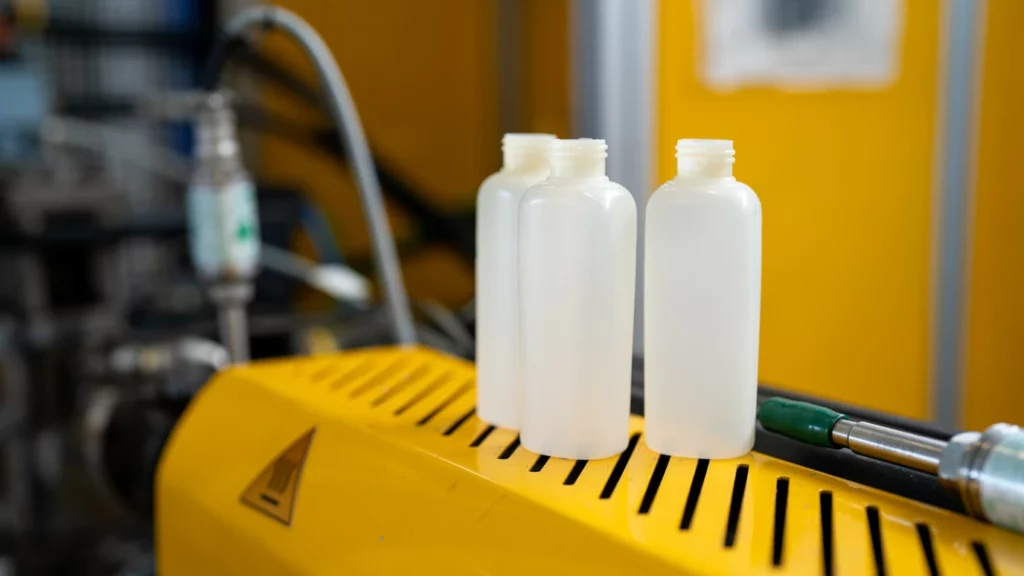
This research project is working on formulations based on the PHBV copolymer, for use in the packaging and agricultural sectors. These formulations use innovative processing technologies for this type of polymer, including hollow-body blown extrusion for bottles and the application of the copolymer as a coating on paper substrates and agricultural mulch films. The goal is to improve and scale up the process.
The project is coordinated by Venvirotech, a biotechnology company specialising in the transformation of organic waste through a proprietary technology that uses bacteria to produce PHA bioplastics. The materials developed will be validated by ENPLAST, a company specialising in the creation and manufacture of all types of plastic packaging. AIMPLAS, the Plastics Technology Centre is in charge of the new PHA formulations for packaging and coatings.
The new formulations for packaging will be biodegradable and compostable. The coating formulations will improve product quality and extend shelf life. They will be relevant to the packaging sector and anywhere barrier properties are required, such as the food and cosmetics sectors. They can also be applied to mulch films, where their barrier and antimicrobial properties will maintain crop quality.
Source
European Union, press release, 2025-05-05.
Supplier
AIMPLAS (Asociación de Investigación de Materiales Plásticos y Conexas)
ENPLAST
European Commission
European Union
Share
Renewable Carbon News – Daily Newsletter
Subscribe to our daily email newsletter – the world's leading newsletter on renewable materials and chemicals