 Advanced Recycling Is Ready to Move Forward – But Is the Industry?
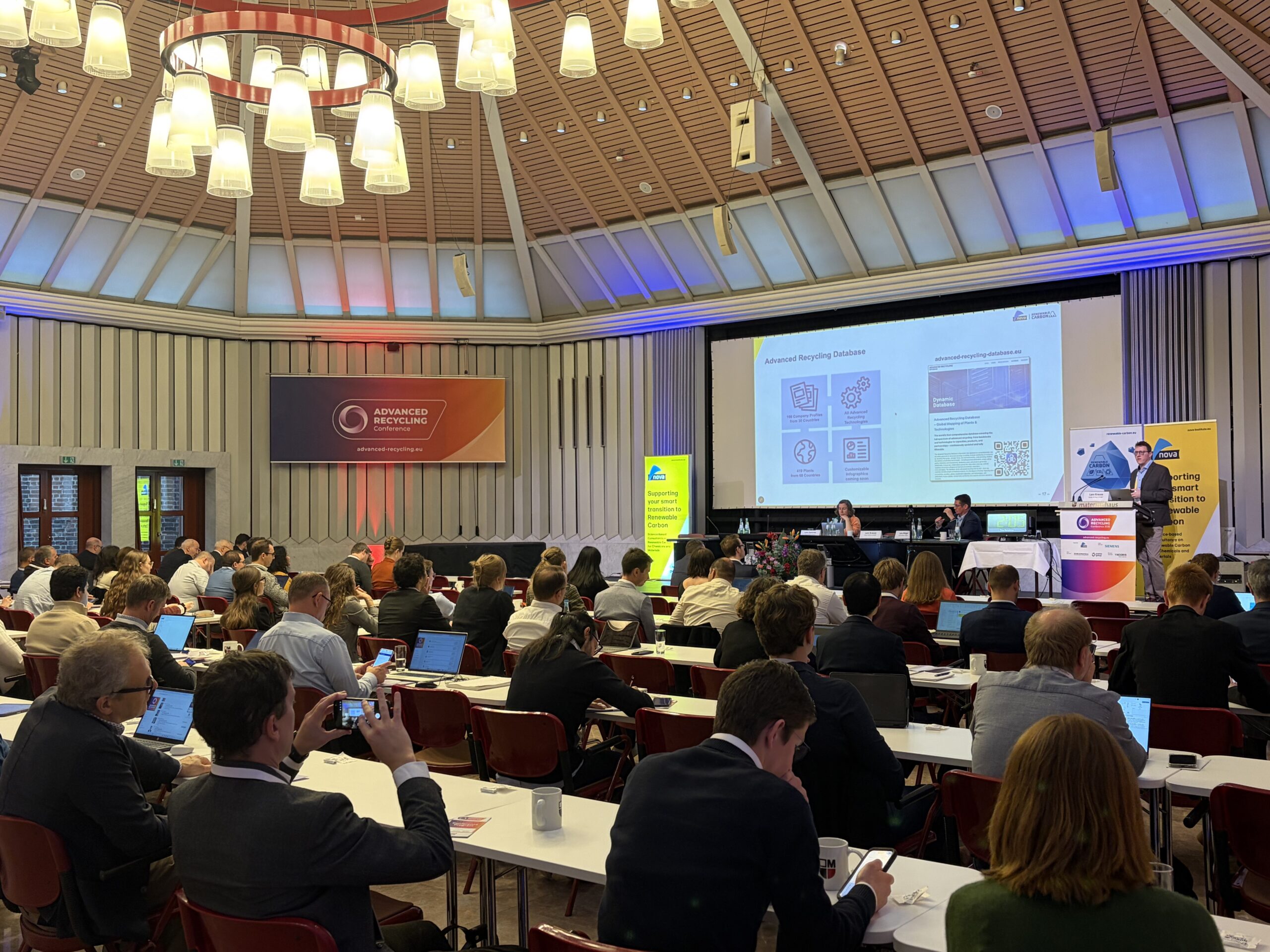
From PVC to textiles, the Advanced Recycling Conference 2026 highlighted why complementary technologies, investment and coordinated value chains are essential to bring advanced recycling to industrial scale.
Technologies to recycle increasingly complex waste streams are steadily progressing. But turning these innovations into functioning industrial systems requires more than one effective recycling process. At the Advanced Recycling Conference (ARC) 2026, held on 17–18 November 2026 in Cologne, Germany, over 160 international experts from industry, research and policy examined what it takes to close the gap between technological development and commercial implementation. Discussions on PVC and textile recycling illustrated both the opportunities of combining different recycling approaches and the challenges of building the value chains needed to make them work.
A central message emerged across the conference: there is no single universal recycling solution. Different materials and waste streams require different technologies, and their effectiveness depends on how well solutions are integrated into existing industrial processes. Mechanical recycling, chemical recycling and dissolution-based technologies therefore need to be considered as complementary rather than competing approaches. The challenge is to identify the right combination for each application and establish the technical, economic and organisational conditions for its successful deployment.
Further information and the full conference programme are available at https://advanced-recycling.eu.
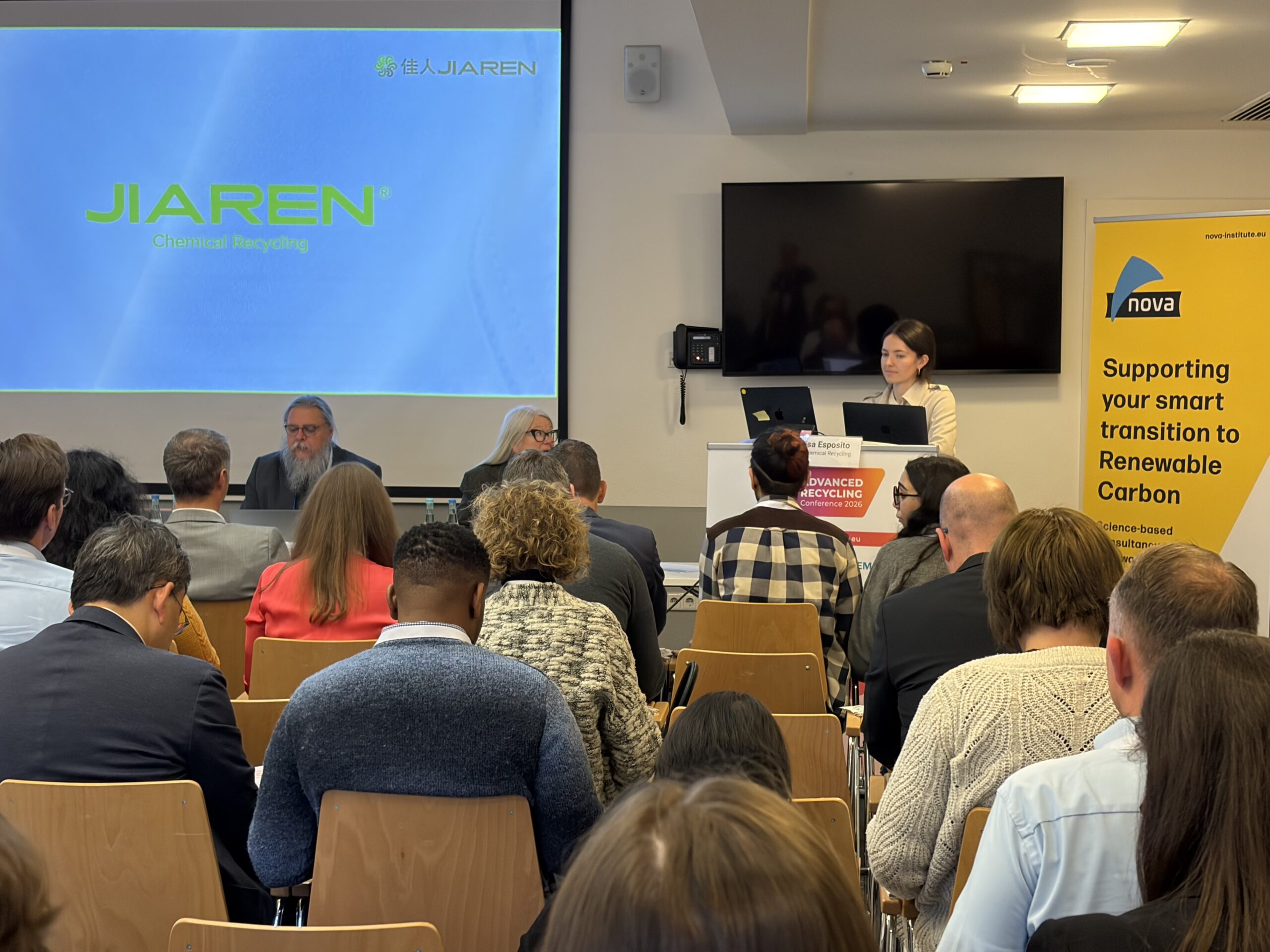
Hot topic textile recycling: Who will build the infrastructure?
Textile recycling emerged as a hot topic at ARC 2026, raising a pressing question: Where should textile recycling take place, and who will invest in making it possible? A dedicated session brought the wider implications of this challenge into focus. Although innovative recycling processes are opening up new possibilities for blended and complex fabrics, the global organisation of textile value chains remains a major obstacle for recyclers.
With much of Europe’s textile supply originating in Asia, evolving European waste regulations raise questions about where recycling should take place and how international material flows can be managed. Collection, sorting and logistics require substantial investment, yet responsibility for financing these systems remains a pressing issue. Extended Producer Responsibility (EPR) could play an important role, but effective implementation will be essential. Meanwhile, technological developments are opening up new opportunities.
Jiaren Chemical Recycling presented progress in textile-to-textile recycling, while research into alternative solvents highlighted their potential to separate complex fibre blends. Selecting suitable solvents and ensuring efficient recovery remain important for industrial viability. Marcel Gausmann of re.solution addressed the economic dimension with their Cheaper Protons approach to reducing chemical textile recycling costs. Discussions on Life Cycle Assessment (LCA) further underlined the need to assess environmental performance alongside technical and economic feasibility.
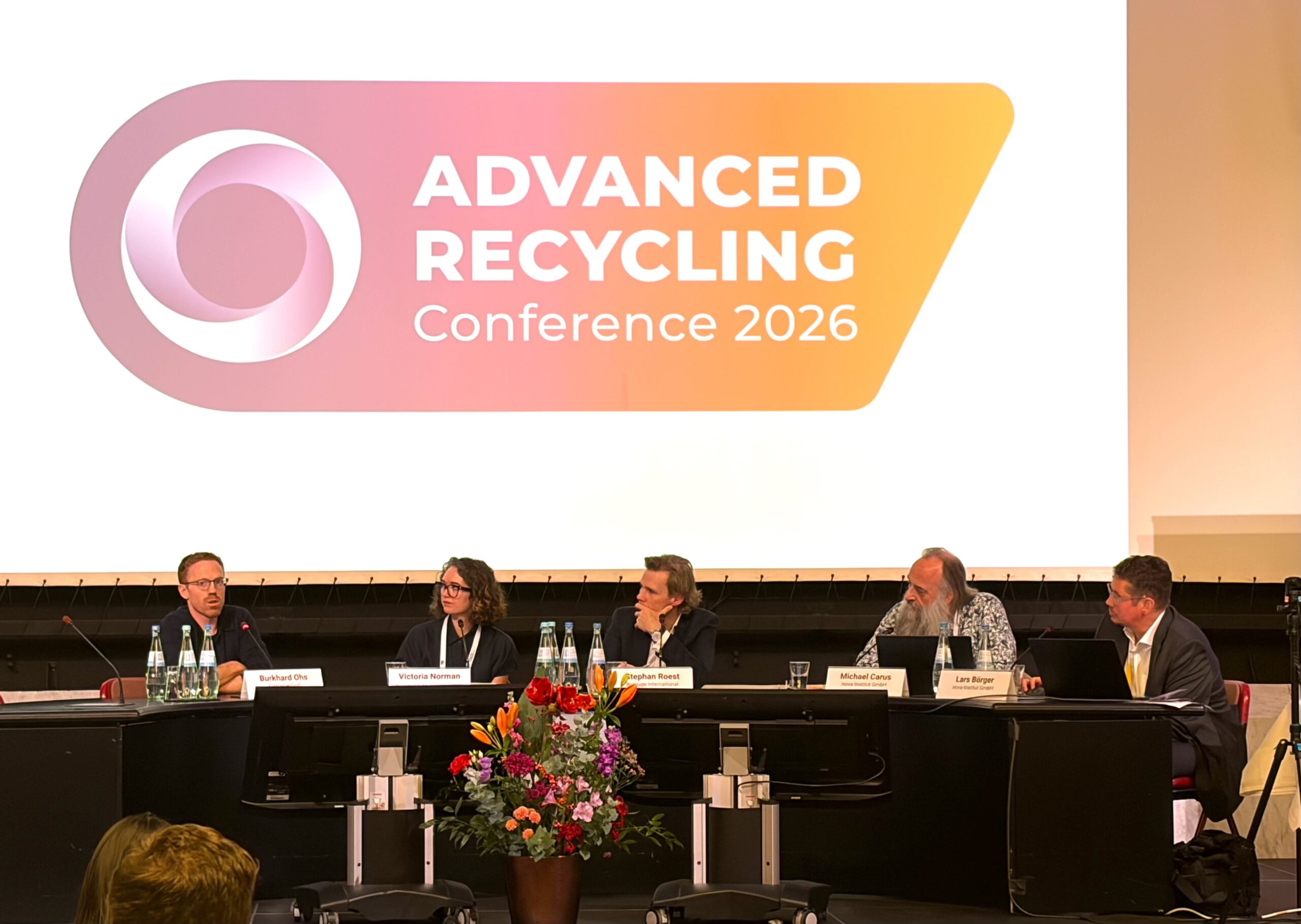
PVC recycling: Different technologies, shared opportunities
The dedicated PVC recycling session co-organised by VinylPlus offered a compelling example of technological diversity in practice. From established mechanical recycling to dissolution-based processes and chemical recycling, the presentations demonstrated how different approaches can address specific PVC waste streams. Rather than competing, these technologies can complement one another, expanding recycling opportunities for materials that are difficult to process through conventional routes.
Sorting and pre-treatment
Effective sorting and mechanical pretreatment are equally important. As highlighted by companies such as EREMA Group in the wider conference programme, preparing waste streams appropriately can improve feedstock quality and support more efficient downstream recycling. While PVC demonstrated the potential of combining technologies, the textile recycling discussions revealed the wider challenges of organising the value chains needed to make them work.
From individual technologies to functioning value chains
Across both sectors, ARC 2026 reinforced the importance of connecting technological innovation with industrial implementation. This requires cooperation between waste managers, technology providers, recyclers and manufacturers to align collection, sorting, pretreatment and recycling processes with reliable markets for recovered materials. Investors and policy-makers also have a crucial role in establishing the financial and regulatory conditions for scale-up.
As European recycling requirements evolve, the priority is to build integrated systems that are economically viable, environmentally sound and capable of operating at industrial scale. The challenge now is to connect the right technologies, secure investment and turn recycling potential into industrial reality.
nova-Institute sincerely thanks the conference sponsors for their valuable support: Gold Sponsor Siemens, Silver Sponsors BUSS ChemTech and Yncoris, and Bronze Sponsor EREMA Group, as well as partner VinylPlus.
Source
nova-Institute, original text, 2026-11-26.
Supplier
EREMA
Fraunhofer-Institut für Verfahrenstechnik und Verpackung (IVV)
INEOS Inovyn
JEPLAN
nova-Institut GmbH
Schüco Polymer Technologies
Valmet
VinylPlus Deutschland e.V.
Share
Renewable Carbon News – Daily Newsletter
Subscribe to our daily email newsletter – the world's leading newsletter on renewable materials and chemicals