Skip to content
Renewable Carbon Publications - LogoRenewable Carbon Publications - Logo
  • Publications
  • Contact
0

No products in the cart.

  • Renewable Carbon
    • Renewable Carbon
    • Events
    • Publications
    • Graphics
    • News
    • Business Directory
    • Newsletter
    • nova-Institute
  • Publications
  • Contact

Renewable Carbon Publications - LogoRenewable Carbon Publications - Logo
0

No products in the cart.

  • Renewable Carbon Publications
  • Sustainability & Health
  • Page 4
Grid view List view

Showing 61–80 of 247

  • Download Statistics
  • Direct Download
    global biomass demand in mt for biofuel production graphic (png)

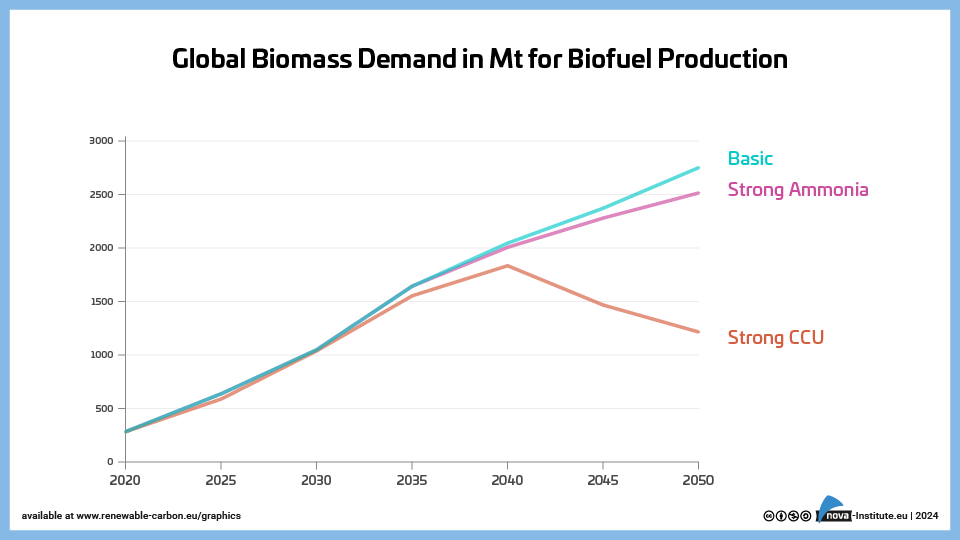
    Global Biomass Demand in Mt for Biofuel Production – Graphic (PNG)

    Markets & Economy, Policy, Sustainability & Health

    1 Page
    27 Downloads

    27 Downloads  

    2025-01

    FREE


    27
    Downloads

    Direct Download
  • Direct Download
    global non fossil c fuel demand in the transport sector – basic graphic (png) (copy)

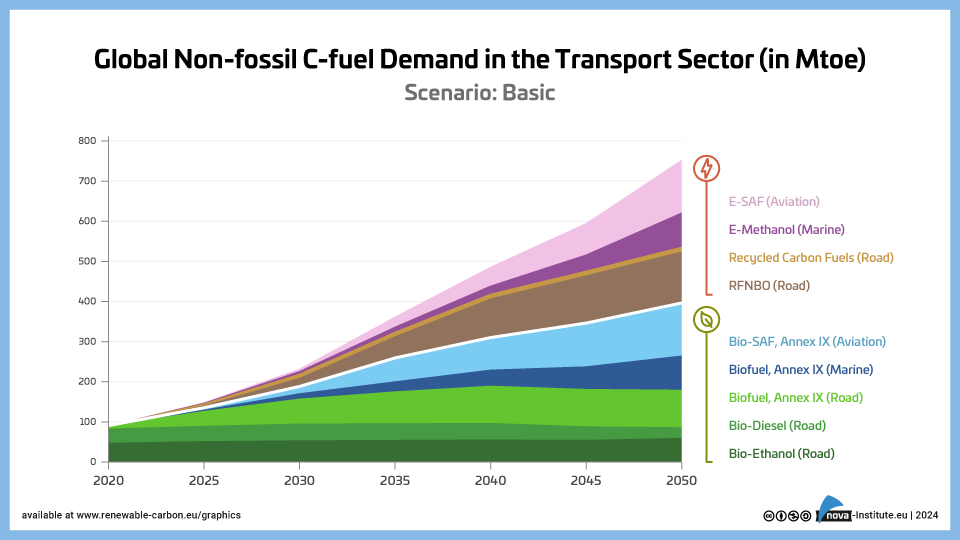
    Global Non-fossil C-fuel Demand in the Transport Sector – Basic – Graphic (PNG)

    Markets & Economy, Policy, Sustainability & Health

    1 Page
    30 Downloads

    30 Downloads  

    2025-01

    FREE


    30
    Downloads

    Direct Download
  • Direct Download
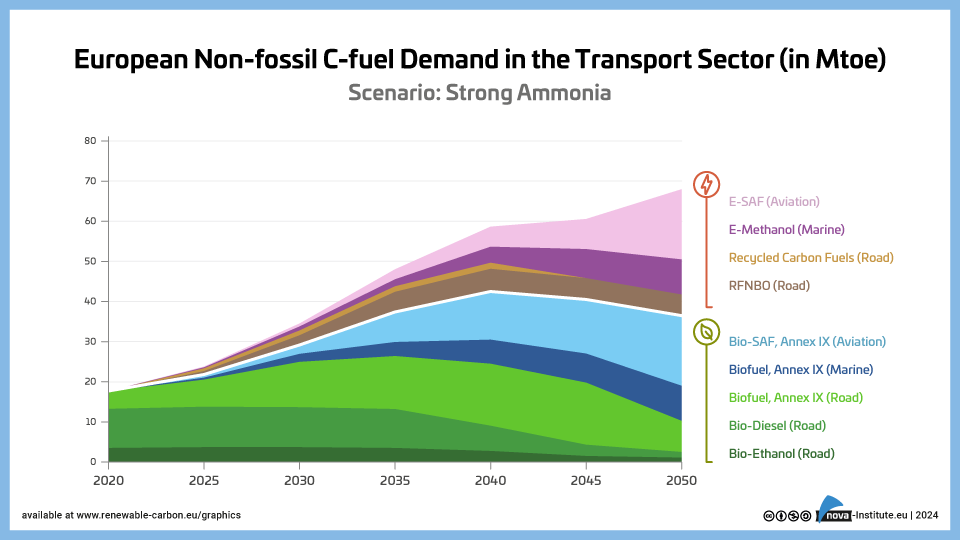
    global non fossil c fuel demand in the transport sector – basic graphic (png) (copy)

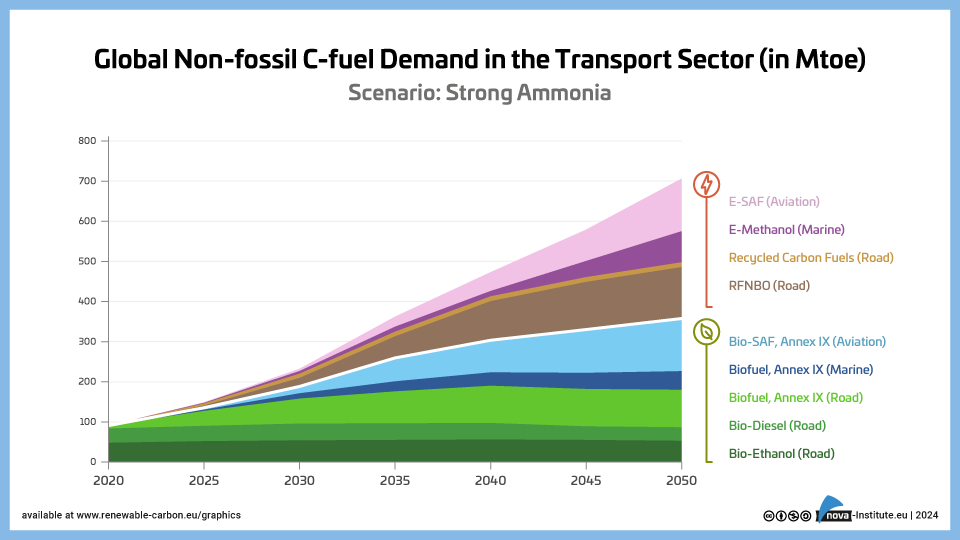
    Global Non-fossil C-fuel Demand in the Transport Sector – Strong Ammonia – Graphic (PNG)

    Markets & Economy, Policy, Sustainability & Health

    1 Page
    16 Downloads

    16 Downloads  

    2025-01

    FREE


    16
    Downloads

    Direct Download
  • Direct Download
    global non fossil c fuel demand in the transport sector – strong ammonia graphic (png) (copy)

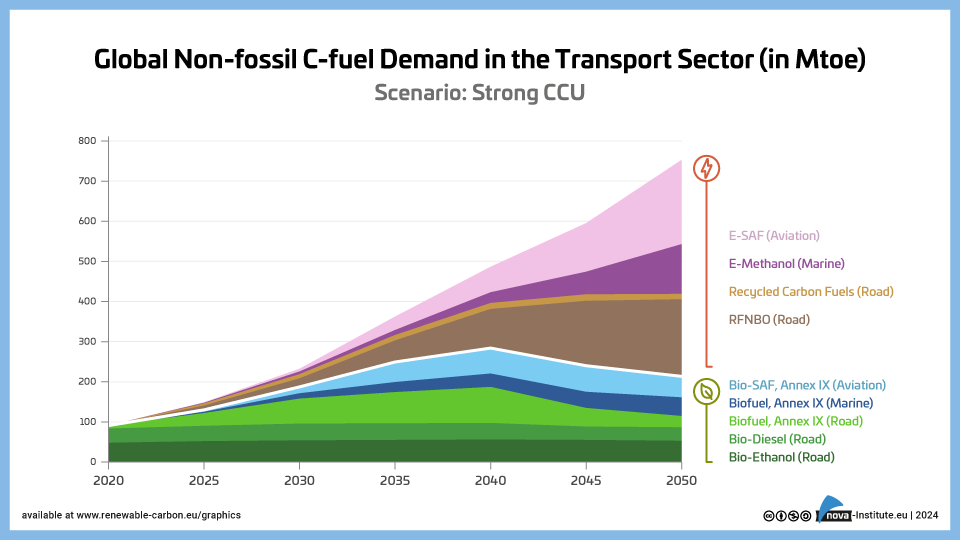
    Global Non-fossil C-fuel Demand in the Transport Sector – Strong CCU – Graphic (PNG)

    Markets & Economy, Policy, Sustainability & Health

    1 Page
    659 Downloads

    659 Downloads  

    2025-01

    FREE


    659
    Downloads

    Direct Download
  • Direct Download
    eu and global: biomass demand for transport fuels, aviation and shipping up to 2050 and implications for biomass supply to the chemical sector (pdf)

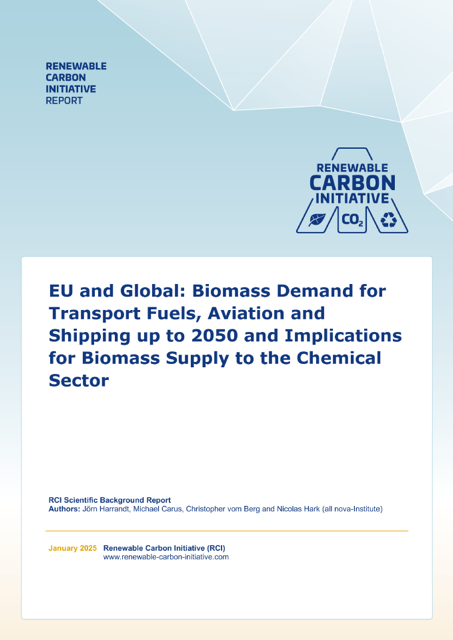
    EU and Global: Biomass Demand for Transport Fuels, Aviation and Shipping up to 2050 and Implications for Biomass Supply to the Chemical Sector – RCI Report (January 2025)

    Markets & Economy, Policy, Sustainability & Health

    44 Pages
    1331 Downloads

    1331 Downloads  

    2025-01

    FREE

    Free Shipping
     

    1331
    Downloads

    Direct Download

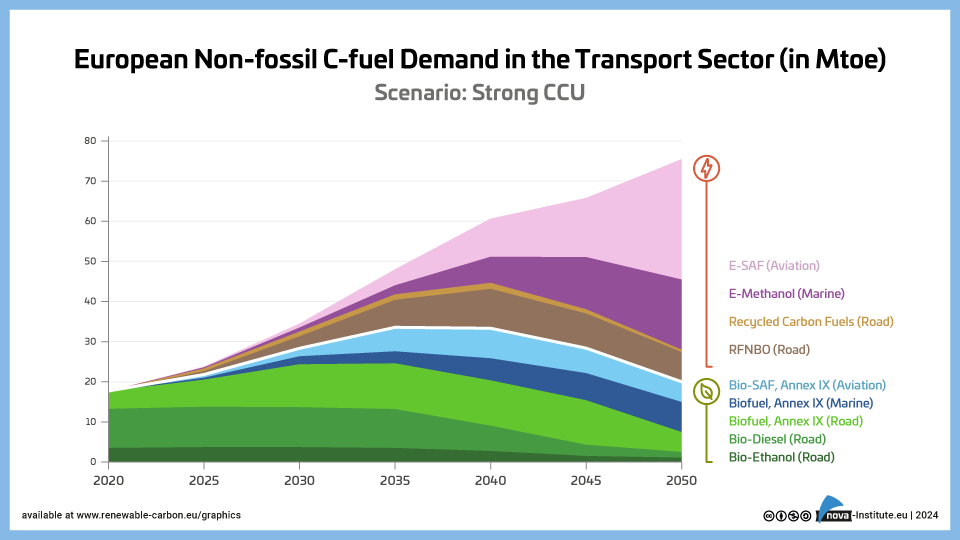
    The Renewable Carbon Initiative’s Scientific Background Report explores three potential future scenarios for carbon-based fuel demand up to 2050 under current policy frameworks. It predicts a sharp rise in the demand for second-generation biomass biofuels, driven primarily by increasing quotas for aviation and shipping fuels. This growth raises concerns about ecological and resource sustainability and creates challenges for sectors like chemicals and materials, which rely on renewable carbon to reduce fossil dependency. Without similar regulatory incentives, these sectors may face limited access to critical feedstocks like biomass and captured carbon.

    The report highlights that while bio-based and synthetic fuel production could indirectly benefit the chemical industry through by-products, competition with the fuel sector poses significant obstacles.The report includes 11 tables, 9 graphics, and a detailed overview of EU fuel regulations. Though focused on Europe, it also provides global insights, making it a valuable resource for stakeholders in biomass and CO2 utilisation sectors.

    DOI: https://doi.org/10.52548/GXVG4189

  • Direct Download
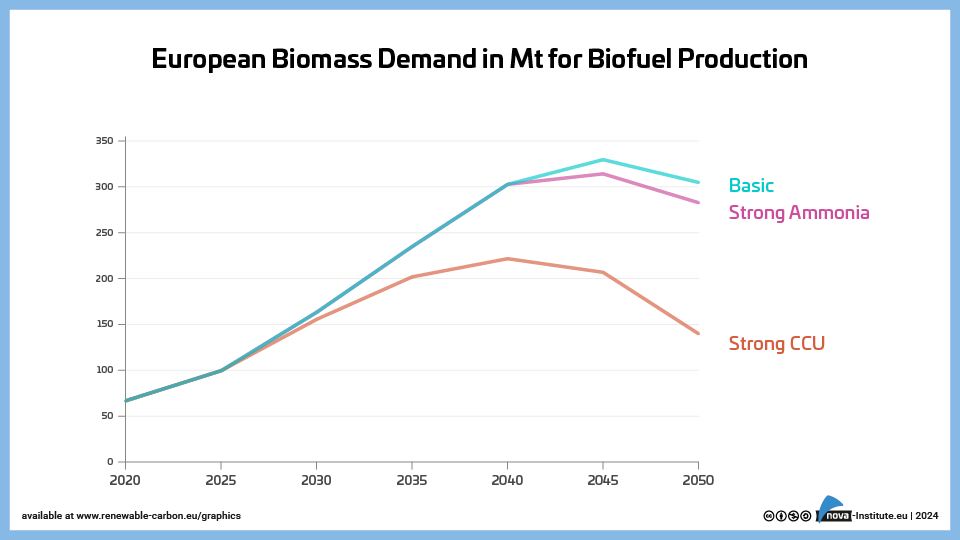
    european biomass demand in mt for biofuel production – graphic (png)

    European Biomass Demand in Mt for Biofuel Production – Graphic (PNG)

    Markets & Economy, Policy, Sustainability & Health

    1 Page
    33 Downloads

    33 Downloads  

    2025-01

    FREE


    33
    Downloads

    Direct Download
  • Direct Download
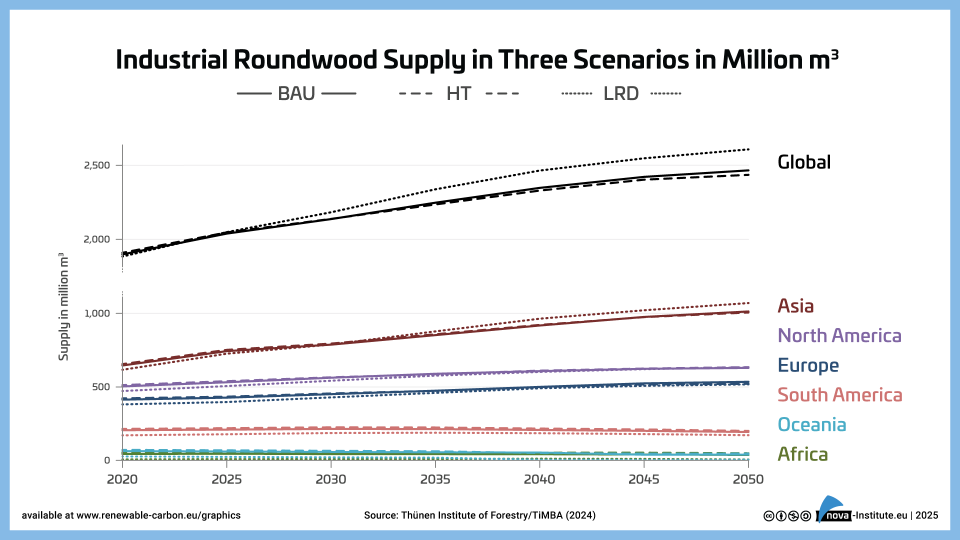
    global non fossil c fuel demand in the transport sector – strong ccu graphic (png) (copy)

    Industrial Roundwood Production in Three Scenarios in Million m3 – Graphic (PNG)

    Markets & Economy, Policy, Sustainability & Health

    1 Page
    9 Downloads

    9 Downloads  

    2025-01

    FREE


    9
    Downloads

    Direct Download
  • Direct Download
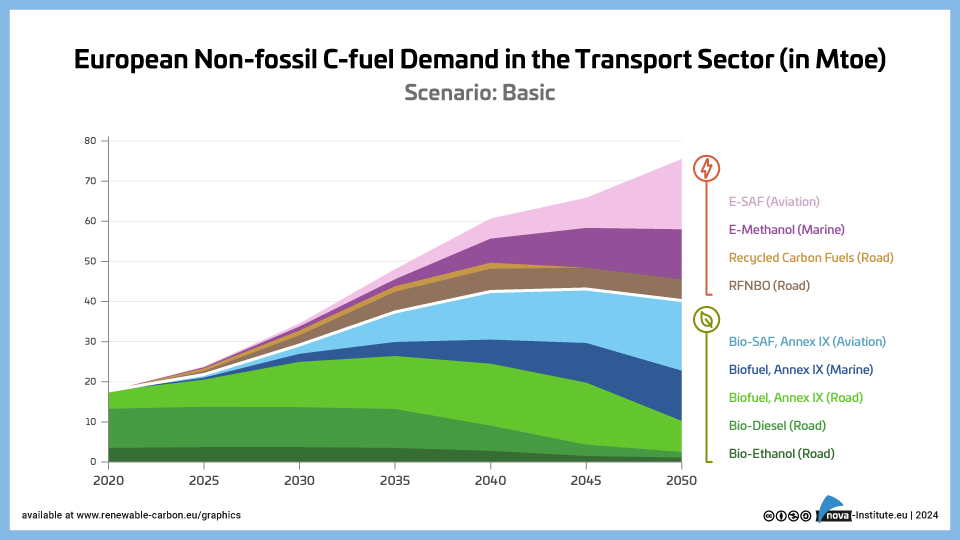
    european biomass demand in mt for biofuel production – graphic (png) (copy)

    European Non-fossil C-fuel Demand in the Transport Sector – Basic – Graphic (PNG)

    Markets & Economy, Policy, Sustainability & Health

    1 Page
    32 Downloads

    32 Downloads  

    2025-01

    FREE


    32
    Downloads

    Direct Download
  • Add to
    cart
    22 11 28 rc publications cover proceedings arc

    Advanced Recycling Conference 2024 (Proceedings)

    Markets & Economy, Policy, Sustainability & Health, Technology


    2024-12

    50 € ex. tax

    Plus 19% MwSt.
    Press
    release
    Add to
    cart

    The proceedings of the Advanced Recycling Conference 2024 (20-21 November, https://advanced-recycling.eu) contain 42 conference presentations, the conference journal, sponsor documents and the press release.

  • Direct Download
    rci position paper on chemical and physical recycling (pdf) (copy)

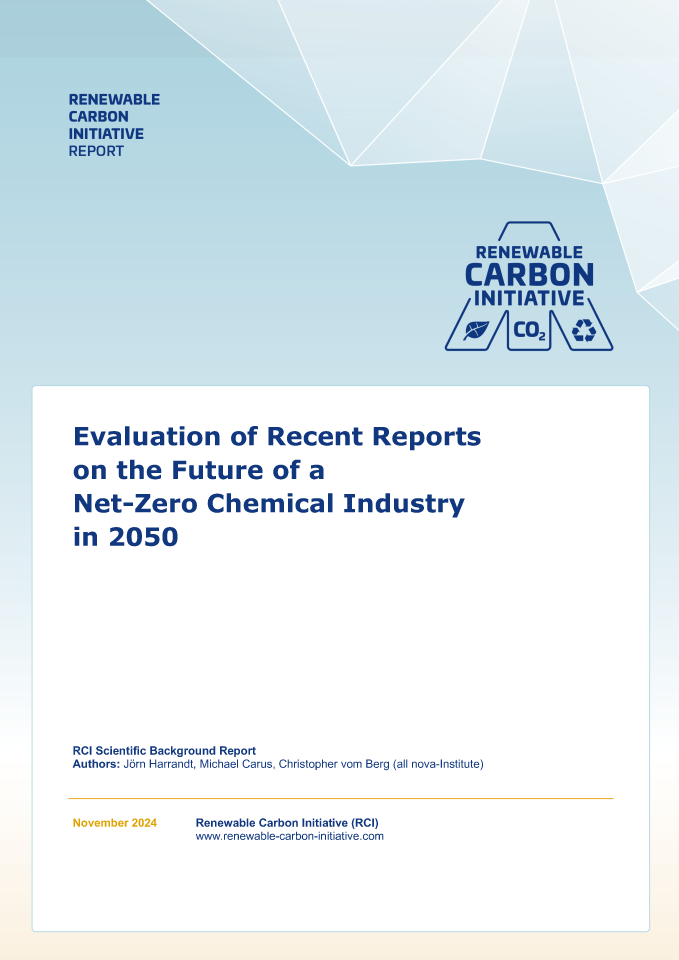
    Evaluation of Recent Reports on the Future of a Net-Zero Chemical Industry in 2050 – RCI Report (November 2024)

    Markets & Economy, Policy, Sustainability & Health

    20 Pages
    1954 Downloads

    1954 Downloads  

    2024-11

    FREE

    Free Shipping
     

    1954
    Downloads

    Direct Download

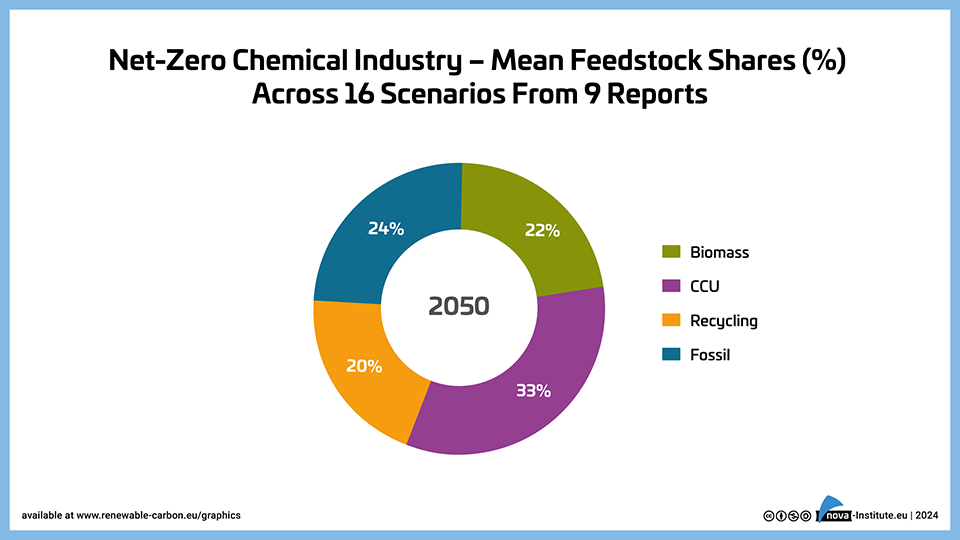
    The Renewable Carbon Initiative’s Scientific Background Report assesses 24 scenarios from 15 studies to envision a net-zero chemical industry by 2050. The analysis anticipates continued growth in chemical production, projecting a 2.4-fold increase in global feedstock demand by 2050 compared to 2020 levels, with most expansion expected outside Europe while European feedstock volumes remain stable. To achieve net-zero emissions, the industry is projected to undergo a significant shift in feedstocks, with key renewable carbon sources identified as biomass (22%), carbon capture and utilisation (33%), and recycling (20%), while the remaining 24% comes from fossil sources with carbon capture and storage. For plastics specifically, recycling is expected to play an even larger role, accounting for 42% of feedstocks on average. This transition will require continued innovation and investment in renewable carbon technologies to meet ambitious defossilisation goals.

    The report provides invaluable insights for industry leaders, policymakers, and researchers, highlighting the urgent need for action to achieve a net-zero future in the chemical sector by 2050.

    DOI No.: https://doi.org/10.52548/SXWV6083

  • Direct Download
    – graphic (png)

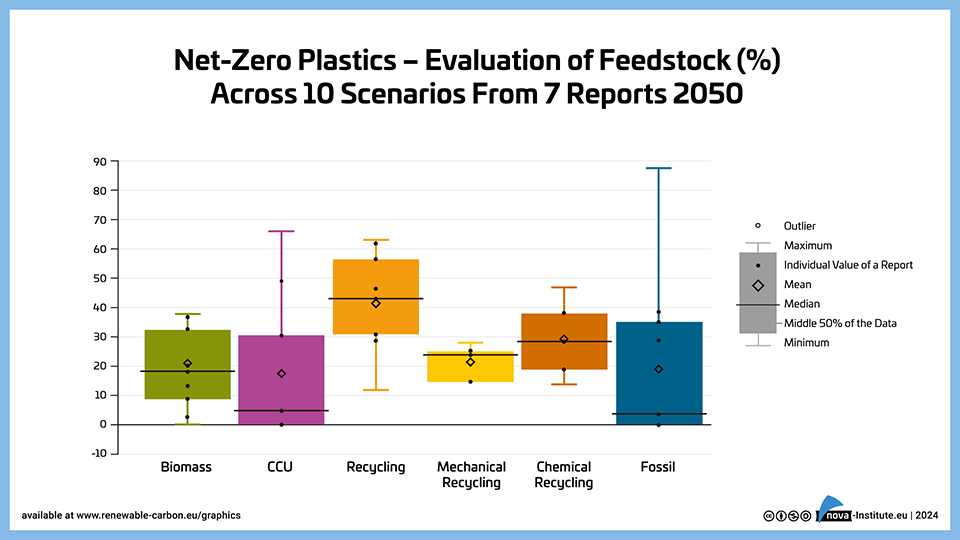
    Net-Zero Plastics – Evaluation of Feedstock (%) Across 10 Scenarios from 7 Reports 2050 – Graphic (PNG)

    Markets & Economy, Policy, Sustainability & Health

    1 Page
    131 Downloads

    131 Downloads  

    2024-11

    FREE


    131
    Downloads

    Direct Download

    The graph illustrates feedstock projections specifically for the plastics sector by 2050, analysing 10 scenarios from 7 reports, where recycling emerges as the dominant feedstock at 42% (combining mechanical and chemical recycling), while biomass (21%), CCU (17%), and fossil with CCS (19%) play supporting roles. The data shows less variation in projections compared to the chemical industry overall, suggesting stronger agreement on the future role of recycling in plastics production.

  • Direct Download
    net zero plastics – evaluation of feedstock (%) across 10 scenarios from 7 reports 2050 – graphic (png) (copy)

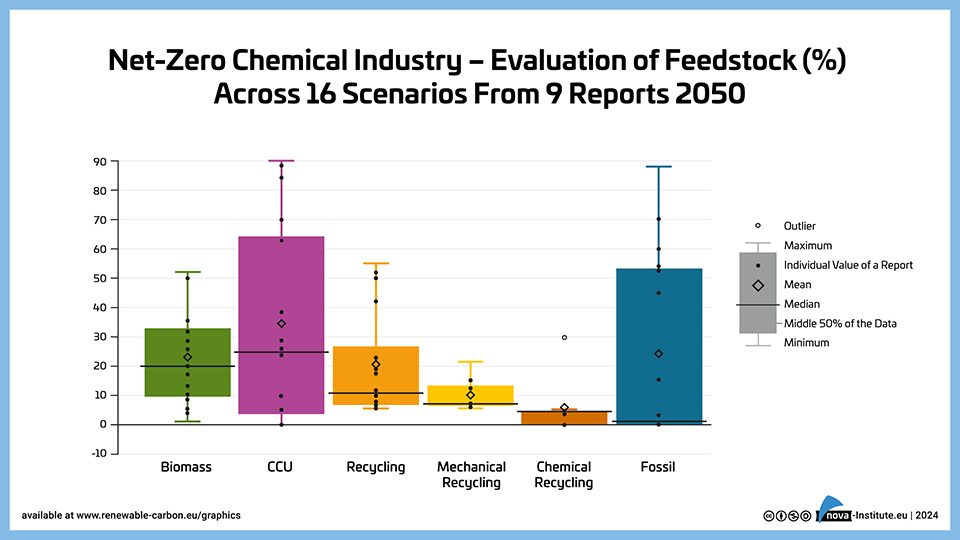
    Net-Zero Chemical Industry – Evaluation of Feedstock (%) Across 16 Scenarios from 9 Reports 2050 – Graphic (PNG)

    Markets & Economy, Policy, Sustainability & Health

    1 Page
    107 Downloads

    107 Downloads  

    2024-11

    FREE


    107
    Downloads

    Direct Download

    The graph shows the distribution of feedstock sources for the net-zero chemical industry by 2050, based on 16 scenarios from 9 reports, with CCU having the highest mean share at 33%, followed by biomass (22%), recycling (20%, split between mechanical and chemical), and fossil with CCS (24%). The data reveals significant variability across scenarios, particularly for CCU which ranges from near 0% to 90%, while both biomass and recycling show more moderate ranges, indicating a general consensus on their roles in the future chemical industry.

  • Direct Download
    net zero chemical industry – evaluation of feedstock (%) across 16 scenarios from 9 reports 2050 – graphic (png) (copy)

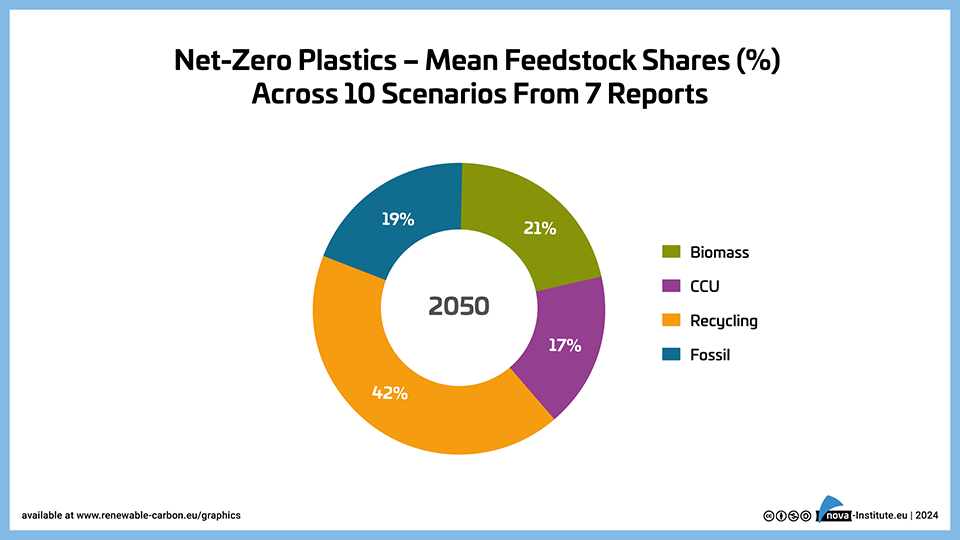
    Net-Zero Plastics – Mean Feedstock Shares (%) Across 10 Scenarios From 7 Reports – Graphic (PNG)

    Markets & Economy, Policy, Sustainability & Health

    1 Page
    97 Downloads

    97 Downloads  

    2024-11

    FREE


    97
    Downloads

    Direct Download

    The graph presents the mean feedstock shares for the 2050 net-zero plastics sector, derived from 10 scenarios across 7 reports. In this projection, recycling dominates with a 42% share, followed by biomass (21%), fossil & CCS (19%), and CCU (17%), highlighting the increased potential for circularity in the plastics industry compared to the broader chemical sector.

  • Direct Download
    net zero plastics – mean feedstock shares (%) across 10 scenarios from 7 reports.png – graphic (png) (copy)

    Net-Zero Chemical Industry – Mean Feedstock Shares (%) Across 16 Scenarios From 9 Reports – Graphic (PNG)

    Markets & Economy, Policy, Sustainability & Health

    1 Page
    71 Downloads

    71 Downloads  

    2024-11

    FREE


    71
    Downloads

    Direct Download

    The graph illustrates the mean feedstock shares projected for the 2050 net-zero chemical industry, based on 16 scenarios across 9 reports. The chart shows a diverse mix of feedstocks, with CCU (33%) and recycling (20%) playing significant roles alongside biomass (22%), while fossil & CCS still account for 24% of the feedstock share.

  • Direct Download
    die zukunft des recycling gestalten (pdf)

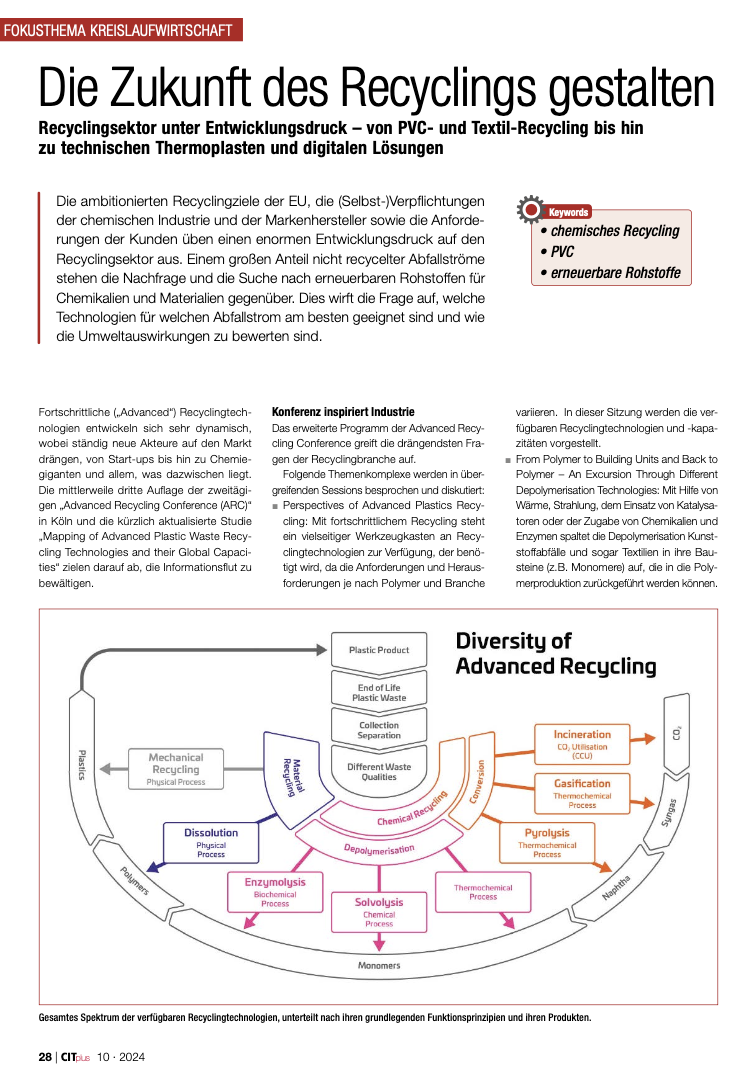
    Die Zukunft des Recyclings gestalten (PDF)

    Markets & Economy, Policy, Sustainability & Health, Technology

    2 Pages
    583 Downloads

    583 Downloads  

    2024-10

    FREE

    Free Shipping
     

    583
    Downloads

    Direct Download

    Die ambitionierten Recyclingziele der EU, die (Selbst-)Verpflichtungen der chemischen Industrie und der Markenhersteller sowie die Anforderungen der Kunden üben einen enormen Entwicklungsdruck auf den Recyclingsektor aus. Einem großen Anteil nicht recycelter Abfallströme stehen die Nachfrage und die Suche nach erneuerbaren Rohstoffen für Chemikalien und Materialien gegenüber. Dies wirft die Frage auf, welche Technologien für welchen Abfallstrom am besten geeignet sind und wie die Umweltauswirkungen zu bewerten sind.

    Quelle: Advanced Recycling: Technologien und Markttrends für eine nachhaltige Kreislaufwirtschaft“ – aus CITplus 10/2024

  • Direct Download
    nova paper #17: science based definition of natural polymers (pdf)

    nova-paper #17: Science-based Definition of Natural Polymers (PDF)

    Markets & Economy, Policy, Sustainability & Health

    22 Pages
    779 Downloads

    779 Downloads  

    2024-09

    FREE

    Free Shipping
     

    779
    Downloads

    Direct Download

    European policy has defined „natural polymers“ in a way that has caused much concern and debate among scientists and industry, and has created a barrier to innovation. The authors of this report have carried out a comprehensive scientific evaluation of how the scientific literature defines „natural polymers“, and the result is: The European policy definition is partly in clear contrast to the scientific definitions.

    „Occurring in nature“ is the basis for every definition of „natural polymers“ in the scientific literature and in policy. All scientific definitions include biotechnological processes for the production of natural polymers. Not a single definition mentions the place of polymerisation as a criterion – in clear contrast to European policy. Industrial practice confirms this finding: A long list of widely accepted natural polymers includes biotechnologically processed polymers and the place of polymerisation is not a criterion.

    Conclusion: A policy definition of „natural polymers“ that is at odds with almost all scientific definitions and at odds with business reality, and which is a major barrier to innovation, green investment and lower carbon footprints, needs to be revised.
    The essence of the scientific definitions evaluated in this report is simple and leads to the following proposed definition: „Natural polymers are those that occur in nature, are produced in and extracted from nature, or can be produced identically using biotechnological processes“.

    DOI No.: https://doi.org/10.52548/UGBZ5516

  • Direct Download
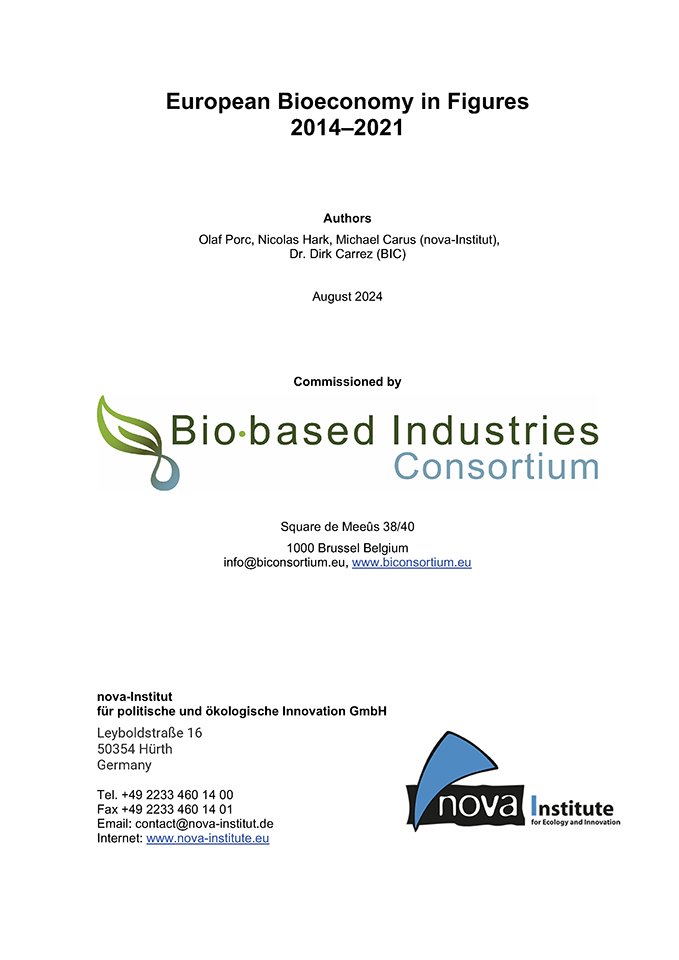
    european bioeconomy in figures 2014–2021 (pdf)

    European Bioeconomy in Figures 2014–2021 (PDF)

    Markets & Economy, Policy, Sustainability & Health

    29 Pages
    839 Downloads

    839 Downloads  

    2024-09

    FREE

    Free Shipping
     

    839
    Downloads

    Direct Download

    The bioeconomy in the European Union is a strong contributor to the overall economy and accounts for over 16 million employees and more than 2.3 trillion Euro in turnover across all 27 Member States. In terms of turnover almost half of the 2.3 trillion Euro can be attributed to the food and feed industries, which remain a large part of the EU bioeconomy. Adding to this are the agriculture and forestry sectors providing primary biomass to bioeconomic processes. However, the sectors processing these feedstocks and manufacturing intermediate and end-use products, collectively referred to as the bio-based industries, find themselves contributing on a stable level to the overall bioeconomy and account for almost a third of the overall turnover.


  • Direct Download
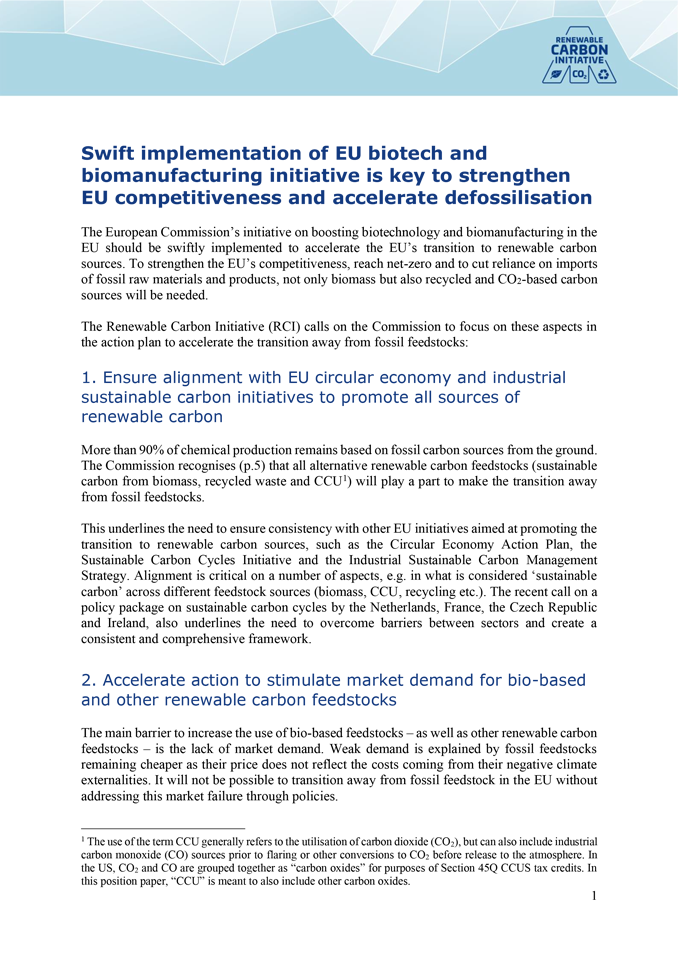
    swift implementation of eu biotech and biomanufacturing initiative is key to strengthen eu competitiveness and accelerate defossilisation (pdf)

    Swift Implementation of EU Biotech and Biomanufacturing Initiative Is Key to Strengthen EU Competitiveness and Accelerate Defossilisation – RCI Position Paper (September 2024)

    Markets & Economy, Policy, Sustainability & Health

    3 Pages
    478 Downloads

    478 Downloads  

    2024-09

    FREE

    Free Shipping
     

    478
    Downloads

    Direct Download

    The Renewable Carbon Initiative’s position paper emphasizes that the EU must swiftly implement its biotechnology and biomanufacturing initiative to accelerate the shift from fossil carbon to renewable sources and boost competitiveness. The Renewable Carbon Initiative (RCI) highlights three key actions:

    1.) Align with Circular Economy Policies: Ensure consistency across EU initiatives to promote renewable carbon from biomass, recycling, and CCU.

    2.) Boost Market Demand: Address the lack of demand for renewable feedstocks by implementing policies to make fossil alternatives less competitive.

    3.) Enable Fossil-to-Renewable Transition: Repurposing current fossil-based manufacturing to use renewable feedstocks. Clear sustainability criteria, access to various biomass sources, and broader definitions of biomanufacturing processes are essential to achieving this transition.

    These actions are vital for achieving net-zero goals and strengthening EU industry.

  • Direct Download
    biodegradable polymers in various environments according to established standards and certification schemes – graphic (current version)

    Biodegradable Polymers in Various Environments According to Established Standards and Certification Schemes – Graphic (PDF, 2024 version)

    Sustainability & Health

    1 Page
    1593 Downloads

    1593 Downloads  

    2024-08

    FREE


    1593
    Downloads

    Direct Download

    Third update of the well-known poster showing biodegradable polymers in different environments according to established standards and certification schemes.

    The expert group met again this year to discuss the latest scientific evidence in the field of biodegradable polymers in order to make meaningful changes to the poster. The generic classification on the poster is only supported by tests performed in the context of certification. Therefore, the expert group decided to include the biodegradability of polycaprolactone (PCL) in additional environments: soil, freshwater, marine and anaerobic conditions. In addition, a new certification for marine biodegradability has been published by DIN CERTCO in 2023, based on ISO 22403, the standard that provides requirements for marine biodegradability, and is now mentioned on the poster. A new poster design and a more precise definition of biodegradation and biodegradability complete the update for this year.

  • Direct Download
    biodegradable polymers in various environments according to established standards and certification schemes – graphic (pdf, current version) (copy)

    Biodegradable Polymers in Various Environments According to Established Standards and Certification Schemes – Graphic (PNG, current version)

    Sustainability & Health

    1 Page
    748 Downloads

    748 Downloads  

    2024-08

    FREE


    748
    Downloads

    Direct Download

    Third update of the well-known poster showing biodegradable polymers in different environments according to established standards and certification schemes.

    The expert group met again this year to discuss the latest scientific evidence in the field of biodegradable polymers in order to make meaningful changes to the poster. The generic classification on the poster is only supported by tests performed in the context of certification. Therefore, the expert group decided to include the biodegradability of polycaprolactone (PCL) in additional environments: soil, freshwater, marine and anaerobic conditions. In addition, a new certification for marine biodegradability has been published by DIN CERTCO in 2023, based on ISO 22403, the standard that provides requirements for marine biodegradability, and is now mentioned on the poster. A new poster design and a more precise definition of biodegradation and biodegradability complete the update for this year.

Renewable Carbon Types

Publications

Topics

  • 1
  • 2
  • 3
  • 4
  • 5
  • 6
  • …
  • 13

nova-Logo
contact@nova-institut.de
www.nova-institute.eu

nova-Institut GmbH
Leyboldstr. 16
50354 Hürth / Germany

  • Renewable Carbon
  • Events
  • Publications
  • Graphics
  • News
  • Business Directory
  • Newsletter
  • nova-Institute
  • My account
  • Legal Information
  • Terms and Conditions
  • Data protection regulation
© 2026 nova-Institut GmbH
Renewable Carbon Publications - Logo

Login

Lost your password?