Increased Methane Emissions in Crude Oil and Natural Gas Supply: Implications for the Carbon Footprint of Petrochemicals – RCI Report (October 2025)
FREE
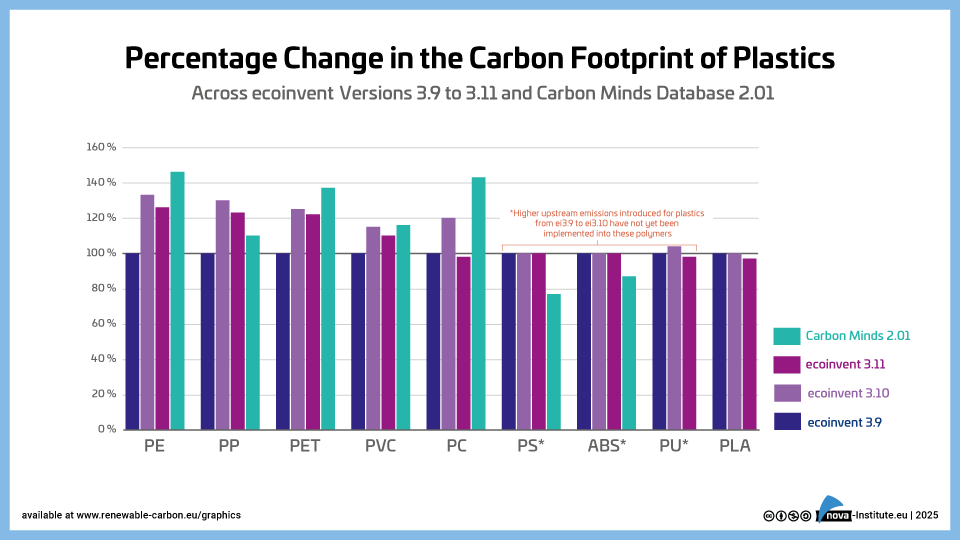
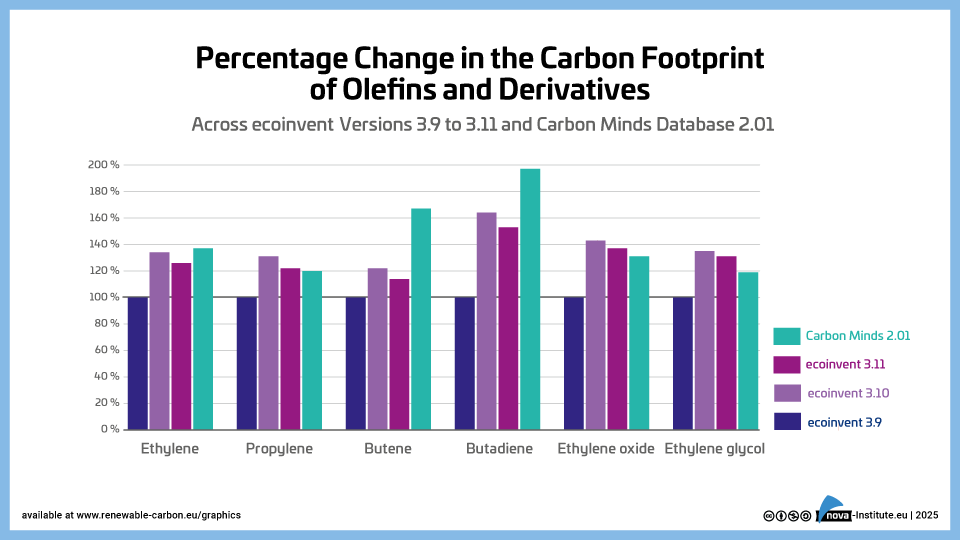
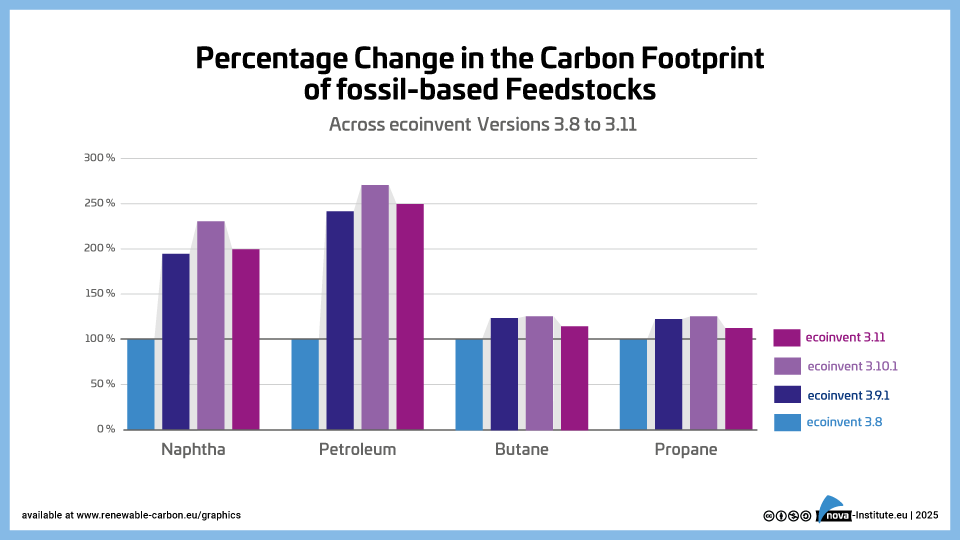
This scientific background report by RCI shows that recent updates to leading LCI databases (ecoinvent 3.9–3.11) reveal a major underestimation of methane emissions from oil and gas supply chains. Enhanced satellite data on flaring, venting, and leaks highlight large inconsistencies compared to sources such as IEA, IOGP, and the World Bank. For instance, IEA now reports oil-related methane emissions up to 15 times higher than IOGP, with extreme differences for Russia (10-fold) and Saudi Arabia (40-fold). These revisions sharply increase the carbon footprint of fossil feedstocks, with naphtha nearly tenfold higher and significant rises for ethylene, propylene, and ethylene glycol. As a consequence, plastics such as PE, PP, and PET show 20–30% higher footprints. By contrast, renewable carbon alternatives gain ground: bio-based plastics now appear 12–27% more climate-friendly, with even greater advantages when biogenic carbon uptake is included.
The RCI report urges policymakers to rapidly integrate methane regulation and updated LCI data into climate strategies. Key recommendations include regular database updates, expanded emissions tracking, harmonized reporting, and stronger support for renewable carbon solutions.
DOI: https://doi.org/10.52548/RQJN5517

-
Evaluating LCA Approaches and Methodologies for Renewable Carbon Sources Report 3 of 3: Non-technical Summary – RCI Report (March 2025)
Markets & Economy, Policy, Sustainability & Health
15 Pages
1009 Downloads
-
Evaluating LCA Approaches and Methodologies for Renewable Carbon Sources Report 2 of 3: Renewable Carbon in Recycling Situations – RCI Report (March 2025)
Markets & Economy, Policy, Sustainability & Health
37 Pages
813 Downloads -
Evaluating LCA Approaches and Methodologies for Renewable Carbon Sources Report 1 of 3: Renewable Carbon in LCA Guidelines – RCI Report (March 2025)
Markets & Economy, Policy, Sustainability & Health
145 Pages
1141 Downloads -
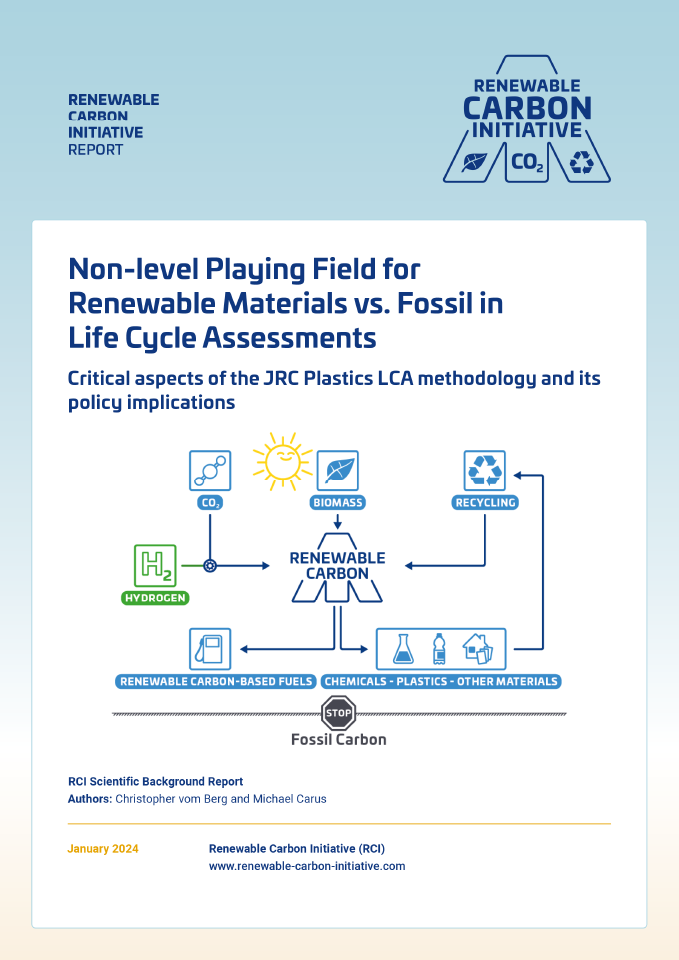
Non-Level Playing Field for Renewable Materials vs. Fossil in Life Cycle Assessments: Critical Aspects of the JRC Plastics LCA Methodology and its Policy Implications – RCI Report (January 2024)
Policy, Sustainability & Health
44 Pages
1555 Downloads
Related Products
-
Percentage Change in the Carbon Footprint of Plastics (PNG)
Sustainability & Health
1 Page
44 Downloads -
Percentage Change in the Carbon Footprint of Olefins and Derivatives (PNG)
Sustainability & Health
1 Page
14 Downloads -
Percentage Change in the Carbon Footprint of fossil-based Feedstocks (PNG)
Sustainability & Health
1 Page
32 Downloads -
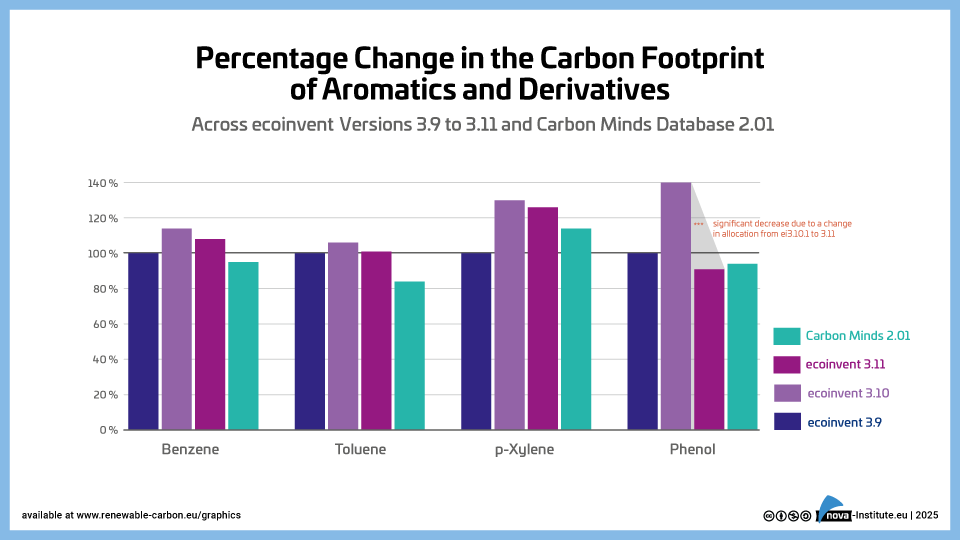
Percentage Change in the Carbon Footprint of Aromatics and Derivatives (PNG)
Sustainability & Health
1 Page
14 Downloads