 Scaling CO₂-Based Methanol and Synthetic Fuels: From Pilot to Industrial Reality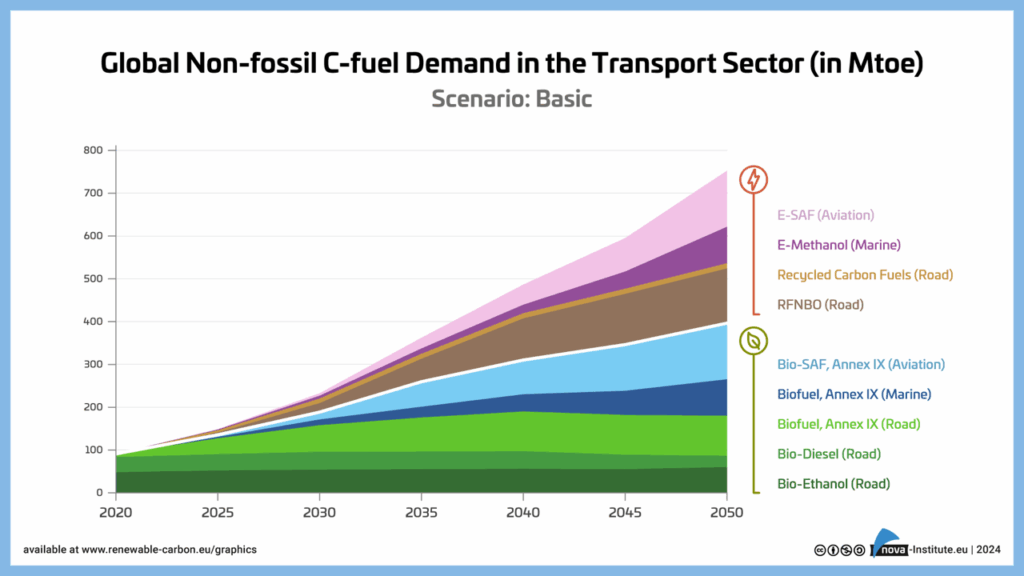
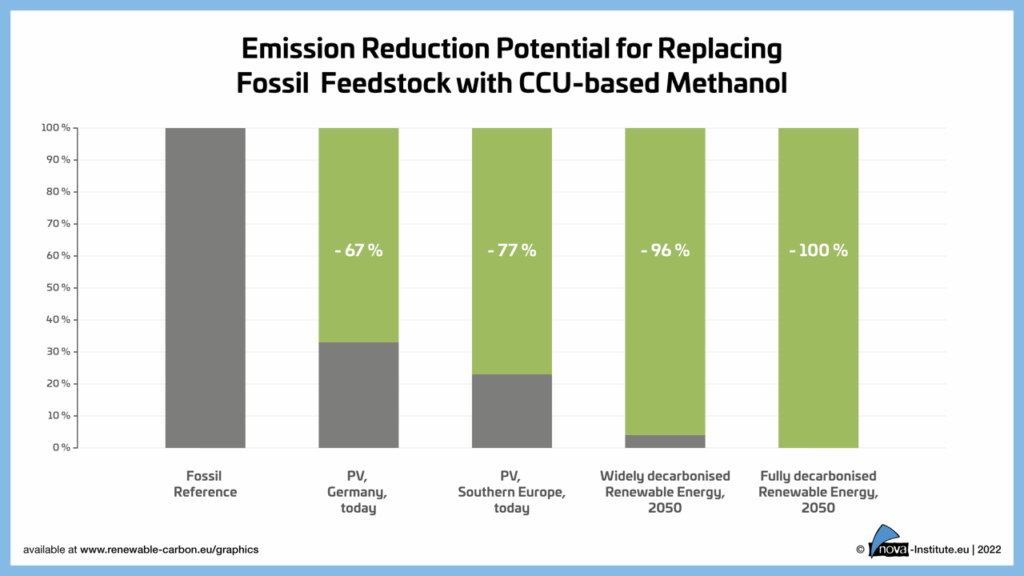
The production of synthetic fuels and methanol from CO₂ is increasingly moving from pilot projects to industrial deployment. Carbon Capture and Utilisation (CCU) provides the necessary technological basis for this transition by transforming CO₂ into a viable and renewable carbon feedstock for the fuels and chemicals industry.
Within this landscape, methanol plays a central role. While being a key product in its own right, it is also a crucial intermediate for chemical building blocks like olefins. Its compatibility with existing infrastructure and well-established downstream processes makes methanol one of the most practical and scalable entry points for CO₂-based production systems.
Pushing Solutions From Technology Pilot to Scale
Recent technological developments demonstrate that large-scale production of methanol and fuels is within reach. Integrated process designs that combine CO₂ capture and methanol synthesis significantly reduce energy demand while increasing the overall CO₂ utilisation. At the same time, modular plant concepts are enabling faster deployment, lower upfront investment and access to distributed CO₂ sources, including biogenic emission sources.
However, moving from demonstration to scale requires more than technological proof. The focus is shifting towards reliable and continuous operation under industrial conditions. This includes improving catalyst lifetimes, optimising process integration and ensuring stable performance over long operating periods.
In addition, flexibility is becoming a key design parameter. CCU plants are closely linked to renewable electricity, and the ability to adapt to fluctuating power supply can significantly reduce operating costs. Dynamic operation strategies, aligned with electricity price signals, are therefore gaining importance for achieving economic viability and market competitiveness.
Key Bottlenecks for CCU Scale-Up
Despite this progress, several bottlenecks continue to limit large-scale deployment. The most critical constraint is the availability of renewable electricity and green hydrogen. As an essential input for converting CO₂ into methanol and hydrocarbons, hydrogen supply directly determines the scale of production. Today, limited production capacity and high costs remain major barriers.
Beyond hydrogen, infrastructure challenges also play a significant role. The development of integrated networks for CO₂ capture and logistics, hydrogen transport and product distribution is still at an early stage. Without coordinated infrastructure planning, scaling efforts risk remaining fragmented and inefficient.
At the same time, emerging technologies such as electrochemical CO₂ conversion are expanding the range of production pathways. These systems can generate intermediates like syngas or even ethylene directly from CO₂ and renewable electricity, offering additional flexibility and modularity. Their successful scale-up, however, will depend on further improvements in efficiency, system stability and integration into existing industrial processes.
CO₂-Based Fuels and Chemicals Conference 2026
The scale-up of synthetic fuels and methanol production will be a key topic at the CO₂-based Fuels and Chemicals Conference 2026, taking place on 28–29 April 2026 in Cologne and online. Bringing together leading experts from industry, academia and policy, the conference will address key topics in CCU like practical pathways for scaling CCU technologies, with a strong focus on hydrogen availability, infrastructure development and industrial implementation. It offers a valuable platform to exchange insights, discuss challenges and solutions, and shape the future of CO₂-based fuels and chemicals.
Find the full program at: https://co2-chemistry.eu/program/
To join the conversation, register here: https://co2-chemistry.eu
Presentations on methanol and industrial scale-up feature the following experts:
- Ammar Hyder (ICODOS) – Cost-Competitive E-Methanol Production Through Interlinked CO₂ Capture and Methanol Synthesis
- Theresa Hauth (Technical University of Munich (TUM)) – Analysis of an Electricity-Price Optimized Operating Strategy of a Carbon Capture and Power-to-Methanol Pilot Plant
- Bijan Cour (Kanadevia Inova) – CCU & Methanation: Technologies at Scale to Support the Growth of Renewables & Strengthen Energy Security
- Anita Demuth (PtX Lab Lausitz) – Onboard Carbon Capture and Usage (OCCU) for PtX Fuels
- Gia Trung Hoang (KIT) – Catalytic Approaches for Sustainable Production of Synthetic Hydrocarbon Fuels from Methanol/DME
Source
CO2-based Fuels and Chemicals, original text, 2026-04-15.
Supplier
ICODOS GmbH
Kanadevia Inova
Karlsruher Institut für Technologie (KIT)
nova-Institut GmbH
PtX Lab Lausitz
Technische Universität München (TUM)
Share
Renewable Carbon News – Daily Newsletter
Subscribe to our daily email newsletter – the world's leading newsletter on renewable materials and chemicals