In a world overflowing with information, data alone rarely moves people. We’ve seen the charts showing plastic production soaring past 400 million tons per year and the sobering statistics that only about 10% of that ever gets recycled. Yet despite the magnitude of the problem, public conversation around plastic often feels numb – technical, detached, and abstract.
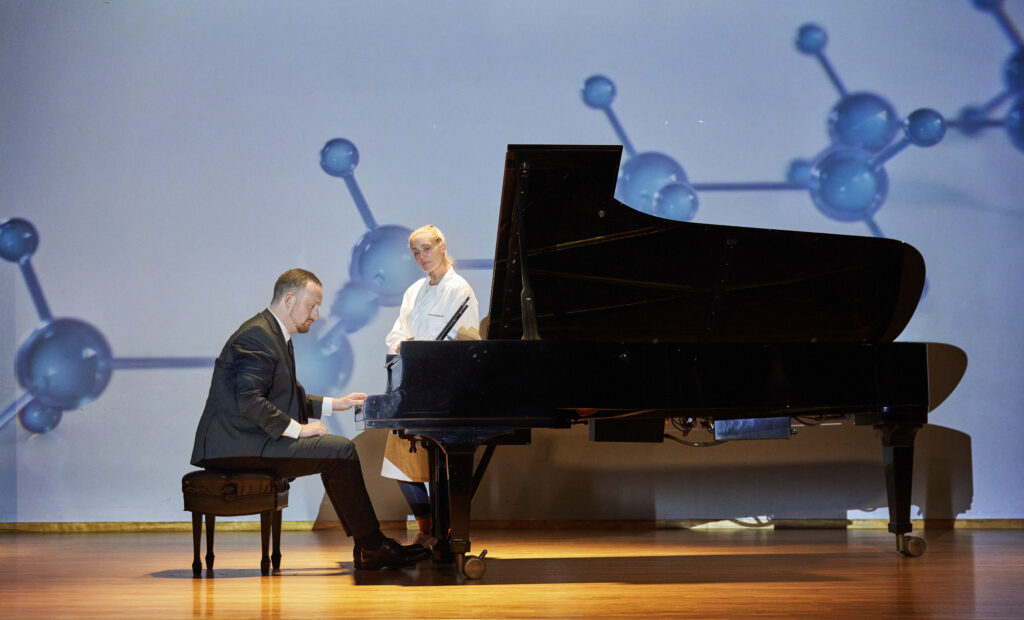
One initiative is trying to change that narrative. The campaign called “Chemistry Goes Music” explores a new way for audiences to not just understand the problem of plastic waste but feel it as well. The campaign blends chemistry and music, two disciplines that might seem to be worlds apart, to reimagine how we think about the materials that shape our lives.
At its heart, the campaign is about rediscovering the rhythm of nature. In the natural world, every molecule, every process, and every organism plays in harmony. Biological compounds like proteins and cellulose twist, fold, and react in intricate and dynamic ways – more like a symphony than a simple tune. Nature has rhythm, variety, and balance.
Plastics, by contrast, are chemically monotonous. Their molecular structure repeats the same simple unit over and over again; a single note played endlessly. This repetition gives plastics their strength and durability, but it also makes them resistant to nature’s attempts to break them down. To nature’s enzymes, plastic isn’t just foreign; it’s boring.
That’s where the campaign’s message begins to resonate.
When molecules meet music: The soundtrack of chemistry
Music becomes a metaphor to illustrate the contrast between nature’s complexity and plastic’s uniformity. The musical theme underscores Aduro’s HydrochemolyticTM Technology that breaks long, rigid chains into smaller, more dynamic molecules that can rejoin the circular economy. It’s chemistry with emotion – a story of transformation told through sound.
And that’s what makes “Chemistry Goes Music” more than a campaign. It’s an invitation to see science differently. By engaging both intellect and emotion, it reminds us that sustainability isn’t just about data points or life-cycle analyses. It’s about empathy and imagination. We created plastics. Nature didn’t. So, it’s up to us to innovate our way back into balance.
Bringing plastic back into harmony with nature

Aduro’s technology does precisely that. Using controlled chemical reactions instead of high-heat processes, it can deconstruct even the most stubborn plastics into reusable building blocks – feedstock that can become fuels, waxes, or new plastics. It’s cleaner, more efficient, and aligned with the principles of circularity.
The company wants people to experience chemistry as a living, creative process. When you can sense the difference between harmony and dissonance, between a circular system and a broken one, the need for innovation becomes self-evident. The message is simple but powerful: nature’s song is one of renewal. Plastic disrupted that harmony. Aduro’s technology, and the creativity behind it, can help bring the two back into sync. From boring to beautiful. From waste to worth. From noise to music. That’s chemistry with feeling – and a future worth listening to.
Watch the video here: https://www.adurocleantech.com/chemistry-goes-music
Source
Aduro Clean Technologies, original text, 2025-11-18.
Supplier
Aduro Clean Technologies, Inc.
Share
Renewable Carbon News – Daily Newsletter
Subscribe to our daily email newsletter – the world's leading newsletter on renewable materials and chemicals