Foreword brief
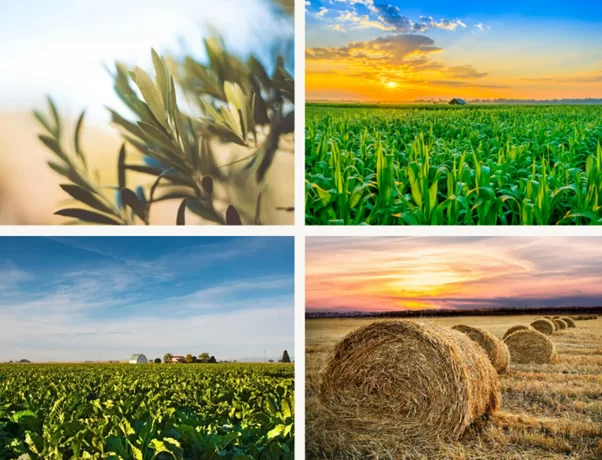
European efforts to achieve net-zero targets heavily rely on biomass, but consistent and robust policy support is crucial, with organizations like the Renewable Carbon Initiative (RCI) advocating for fair regulations that treat biomass for materials equally with bioenergy, particularly by adapting forest biomass rules and avoiding caps on primary agricultural biomass. European Bioplastics further asserts that biomass use for materials doesn’t primarily harm food security, backing a level playing field for all bioeconomy sectors. This commitment is evidenced by initiatives like the Circular Bio-based Europe Joint Undertaking (CBE JU), which is funding 30 innovative projects totaling €197.5 million to reduce fossil dependence and create green jobs, including projects utilising marginal lands for biomass to produce cosmetics and bioplastics (RUNFASTER4EU) and upcycling mushroom biomass for sustainable ingredients (MYCOCIRCLE). Complementing these efforts, recent Brazilian research published in Nature highlights the energy potential of elephant grass broth and bagasse for direct combustion and biogas production, demonstrating its viability as a sustainable feedstock.
Source
Alder BioInsights, press release, 2025-07-10.
Supplier
Alder BioInsights (formerly NNFCC)
Circular Bio-based Europe Joint Undertaking (CBE JU)
nature (Journal)
Renewable Carbon Initiative (RCI)
Share
Renewable Carbon News – Daily Newsletter
Subscribe to our daily email newsletter – the world's leading newsletter on renewable materials and chemicals